
How to Manage Hair Loss and Mental Health in 2026
Hair loss and mental health are deeply interconnected, as thinning hair often triggers psychological distress, social anxiety, and decreased self-esteem. By addressing the emotional burden alongside evidence-based medical treatments, individuals can restore both their scalp health and mental well-being, leading to a more confident and vibrant life.
What is the link between hair loss and mental health?
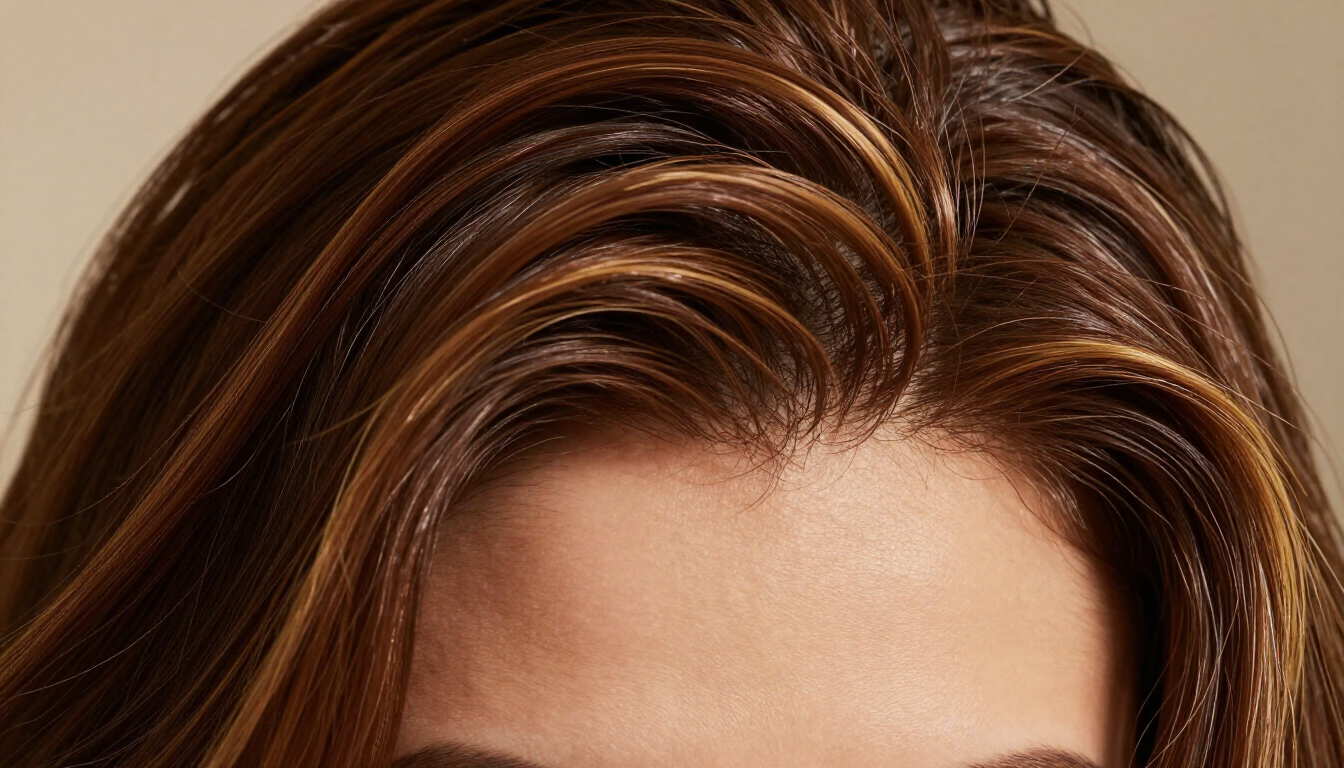
The relationship between hair loss and mental health is a two-way street that significantly impacts quality of life. For many, hair is far more than just a physical attribute; it is a symbol of vitality, youth, and personal identity. When hair begins to thin or fall out, it can trigger a cascade of emotional responses, ranging from mild frustration to severe psychological conditions. Clinical studies have shown that individuals experiencing alopecia or general hair thinning are at a higher risk for developing depression and social phobias. This is often because our society places an immense amount of value on appearance, and the fear of being judged can lead to isolation.
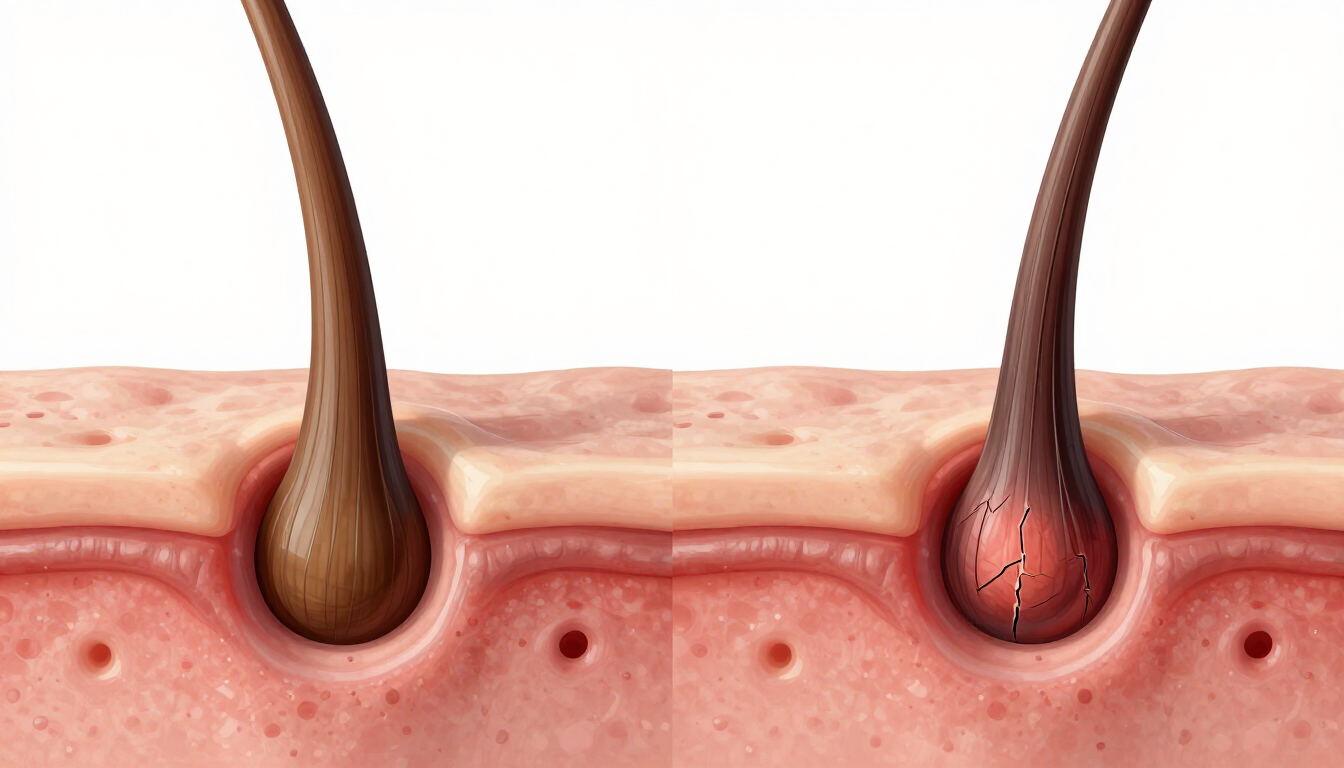
Moreover, the stress associated with losing hair can actually exacerbate the physical condition. Stress-induced hormones like cortisol can push hair follicles into a resting phase, leading to even more shedding. This creates a frustrating cycle where the emotional distress caused by hair loss contributes to further hair loss. Breaking this cycle requires a compassionate, holistic approach that treats the person, not just the scalp. At Funnah Medix, we understand this delicate balance and prioritize the emotional comfort of our patients as much as their clinical results. When you visit our Home page, you will see that our philosophy is rooted in restoring your complete sense of self.
Why does losing hair feel like losing identity?
For many of us, our hair is a primary way we express who we are to the world. It is the first thing we see in the mirror every morning and a key component of our "social mask." When that mask starts to change involuntarily, it can feel like you are losing control over your own narrative. This sense of loss is often compared to a mourning process. People may go through stages of denial, anger, and eventually a search for solutions. It is not "just hair"—it is a reflection of your health, your style, and your confidence. For many, the thinning of hair can feel like a premature aging process, which further complicates the emotional landscape.
This loss of identity is particularly poignant in a world dominated by visual media. We are constantly bombarded with images of full, lush hair, which can make those experiencing loss feel invisible or less attractive. It is important to recognize that these feelings are valid and incredibly common. At Funnah Medix, we see people from all walks of life who share these exact concerns. Our team is dedicated to helping you navigate these feelings while providing a clear, evidence-based roadmap toward restoration. Learning more About us will show you how our experienced professionals focus on natural results that help you look like you again, boosting your self-perception and helping you reclaim that lost piece of your identity with enthusiasm!
5 Practical strategies to manage the emotional impact
While seeking professional clinical advice is essential, managing the emotional side of hair loss in 2026 also requires personal proactive steps. We encourage all our patients to adopt a multi-faceted approach to their mental well-being during their restoration journey. Here are five powerful ways to manage the emotional impact:
- Acknowledge Your Feelings : Don't suppress the sadness or frustration; recognizing the emotional impact is the first step toward healing.
- Seek Community Support : Whether through online forums or local support groups, talking to others who understand the struggle can reduce feelings of isolation.
- Focus on Holistic Wellness : Engaging in regular exercise, mindfulness, and a balanced diet can help lower the stress hormones that contribute to shedding.
- Consult a Professional : Combining hair restoration with counseling or therapy can provide you with the tools to build resilience and self-acceptance.
- Shift Your Focus : Invest time in hobbies and activities that make you feel capable and confident regardless of your physical appearance.
How can Funnah Medix help restore your confidence?
Funnah Medix isn't just a hair clinic; we are your dedicated partners in the journey to better hair and a brighter outlook! We believe that restoration starts with a conversation. Our comprehensive assessments are designed to look beyond the surface, investigating the root causes of your hair loss while listening to your personal goals and concerns. We know that every head of hair is different, and every person’s emotional journey is unique. That’s why we don’t believe in one-size-fits-all treatments. We provide a supportive environment where you can feel heard, understood, and excited about the possibilities of your transformation.
Our enthusiastic team uses the latest technology to create a tailored scalp condition therapy that works for your specific needs. By using data-driven methods, we take the guesswork out of hair restoration, which in turn reduces the anxiety of the unknown. Knowing that you are in the hands of experts who truly care about your natural results can be a massive weight off your shoulders. We aim to replace the fear of the mirror with the excitement of seeing progress. If you are ready to start this life-changing process, we invite you to Contact Us today to schedule your personalized consultation. Let’s work together to bring back that spark of confidence that makes you who you are!
Clinical solutions for emotional hair restoration
Addressing the psychological aspect of hair loss often requires seeing tangible physical progress. This is where our clinical expertise shines! We offer a range of evidence-based treatments that focus on long-term scalp health and follicle stimulation. From advanced topical therapies to collaborative medical consultations, our goal is to create an environment where your hair can thrive. We prioritize non-invasive or minimally invasive techniques that yield natural-looking results, ensuring that you don't just have more hair, but that it looks and feels like it belongs to you. This focus on natural aesthetics is key to reducing the self-consciousness often associated with hair restoration.
Clinical solutions also include educating our patients on the science of hair growth. When you understand the "why" behind your treatment plan, it empowers you and reduces the feeling of helplessness. We utilize state-of-the-art diagnostic tools to monitor your progress, giving you clear evidence that your plan is working. This positive reinforcement is a powerful tool for improving mental health. Seeing new growth or improved scalp health can provide a significant mood boost and reinforce your commitment to the journey. Our holistic approach ensures that your scalp is nurtured and protected, providing the best possible foundation for both hair growth and emotional peace of mind.
Understanding the physical effects of stress on hair
It is vital to recognize that stress is a physical trigger for many hair conditions. When you are under chronic emotional pressure, your body may redirect its energy away from "non-essential" functions like hair growth. This can lead to conditions like Telogen Effluvium, where hair enters the shedding phase prematurely. By managing your mental health, you are directly supporting your hair’s physical ability to grow. We emphasize this connection at Funnah Medix because we want our patients to achieve sustainable results. Protecting your hair means protecting your peace, and we are here to support you in every aspect of that mission with unparalleled enthusiasm and care!
Next steps for your hair health journey
Navigating the emotional side of hair loss is a brave and essential step toward total well-being. By acknowledging the link between your scalp and your psyche, you empower yourself to seek solutions that address both. Remember, you are not alone in this journey, and professional help is available to guide you through the clinical and emotional landscape. To recap, here are your next steps:
- Evaluate your current stress levels and their impact on your hair.
- Research evidence-based clinical options that prioritize natural results.
- Book a consultation with a compassionate team to build your unique plan.
Ready to transform your life? Visit our Contact Us page and let’s start your journey toward confidence together!