

Alopecia Areata Explained: 5 Proven Ways to Regain Hair

May 28, 2026

Share this article

Alopecia areata is an autoimmune condition where the immune system mistakenly attacks hair follicles, leading to sudden, patchy hair loss on the scalp or body. While often unpredictable, many effective treatments exist to suppress the immune response and stimulate regrowth for long-term hair health and restoration.

Alopecia areata explained is more than just a medical definition; it is a journey of understanding how your body interacts with its own environment. For those experiencing sudden thinning or circular bald patches, the initial shock can be overwhelming. However, modern science has made incredible strides in identifying the mechanisms behind this condition. At Home Page , we believe that knowledge is the first step toward recovery. By understanding the underlying causes and recognizing the early signs, you can take proactive steps toward effective management and hair restoration.

What causes alopecia areata to develop?

The primary driver of alopecia areata is a malfunction in the body's immune system. In a healthy body, white blood cells protect you against foreign invaders like viruses and bacteria. However, in people with alopecia, these cells mistakenly target the hair follicles—the structures from which hair grows. When this attack occurs, the follicles shrink and significantly slow down hair production, though they fortunately remain alive. This means that the potential for hair to regrow always exists, even after years of dormancy.

While the exact trigger for this autoimmune response is still being studied, researchers have identified several contributing factors:

  • Genetic Predisposition: Family history plays a significant role in many cases.
  • Environmental Triggers: Extreme stress or viral infections can sometimes spark the initial flare-up.
  • Other Autoimmune Conditions: People with thyroid disease or vitiligo are at a slightly higher risk.
  • Immune System Stress: Significant physiological changes can alter immune behavior.

It is important to note that alopecia areata is not caused by poor hair care, specific hairstyles, or nutrition alone, although these factors can influence overall scalp health. Understanding that this is a systemic biological issue helps remove the stigma and guilt often associated with hair loss. By focusing on the immune system's role, we can better appreciate why certain medical interventions are necessary to achieve lasting results.

Common Signs and Symptoms of Sudden Hair Loss

Identifying the symptoms early is crucial for effective intervention. Unlike male or female pattern baldness, which typically follows a predictable thinning path, alopecia areata often appears suddenly. You might notice small, round, or oval patches of hair loss on the scalp. These patches are usually smooth and may have a slightly peach-colored or red tint, indicating inflammation beneath the surface. For many, these patches can appear overnight or over the course of a few days.

Beyond the visible patches, there are other clinical signs to look for:

  • Exclamation Point Hairs: Short hairs that get narrower at the base near the scalp.
  • Widespread Thinning: Occasionally, hair thins across the entire head rather than in patches.
  • Nail Changes: Pitting, white spots, or roughness on fingernails and toenails.
  • Sensory Changes: Some patients report tingling, itching, or burning in the affected area.
  • Body Hair Loss: Patches can also appear in the beard, eyebrows, or eyelashes.
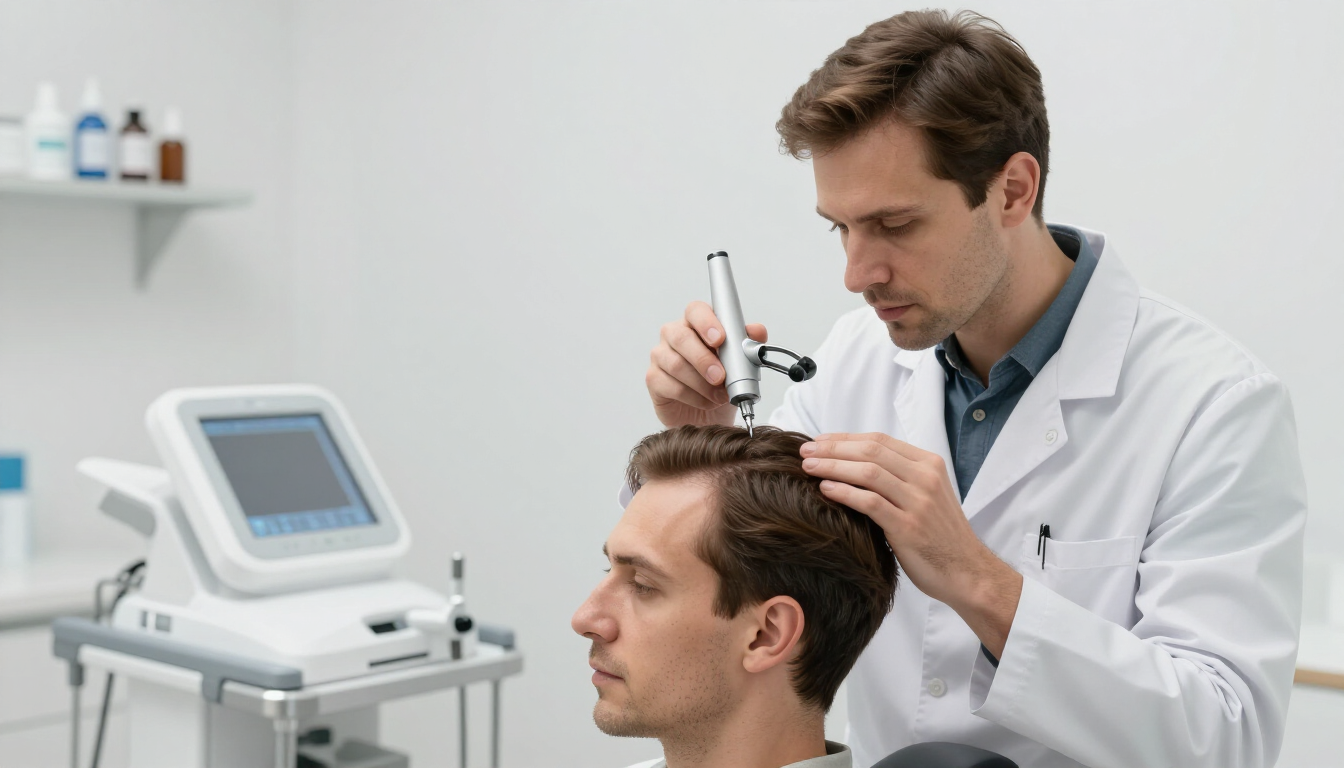
Scalp Analysis Consultation

How is alopecia areata diagnosed by professionals?

If you suspect you are experiencing autoimmune hair loss, a professional consultation is essential. At Funnah Medix, we utilize a comprehensive assessment process to distinguish alopecia areata from other forms of hair loss, such as telogen effluvium or fungal infections. The diagnostic journey typically begins with a detailed physical examination of the scalp and nails. We look for the characteristic

Recent Posts

A beautiful close-up of healthy, restored hair showing natural growth.
June 1, 2026
Embarking on a hair restoration journey? Learn why scalp health and hair regrowth take time, what to expect at each stage, and how Funnah Medix helps you succeed.

Person regaining confidence after hair restoration.
June 1, 2026
Discover life-changing hair restoration treatments at Funnah Medix. Learn how to rebuild your confidence and achieve natural results with our expert guide.

A smiling person with healthy hair representing confidence and mental well-being.
June 1, 2026
Explore the deep connection between hair loss and mental health. Discover how Funnah Medix provides holistic restoration to help you reclaim your identity and confidence in 2026.
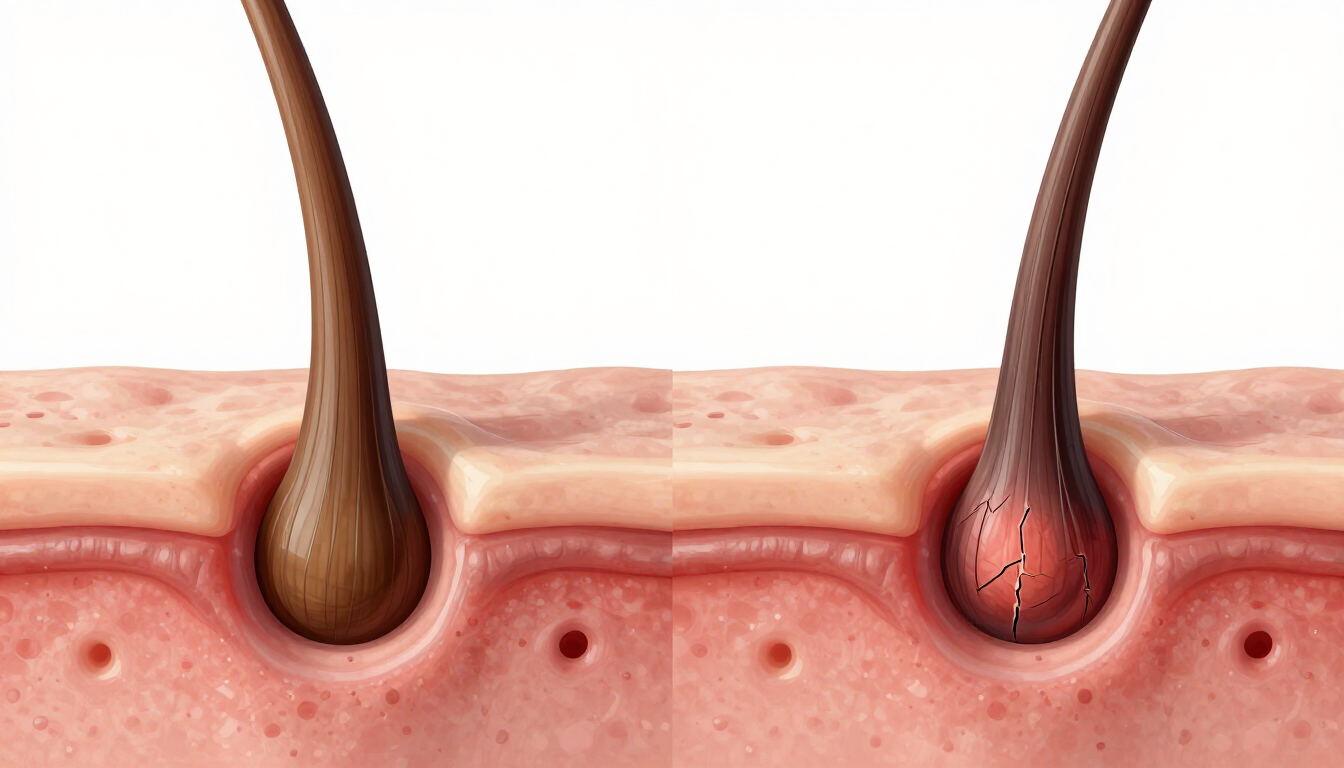
Scientific comparison of healthy versus damaged hair follicles due to lifestyle factors.
June 1, 2026
Learn how alcohol and smoking impact hair follicle health. Funnah Medix explains the science of hair loss and how to restore your scalp for natural growth.
Assortment of healthy superfoods including salmon, nuts, and greens for hair growth
June 1, 2026
Discover the top 10 foods that promote scalp health and hair growth! Learn how a nutrient-rich diet can transform your hair's thickness and shine today at Funnah Medix.
Vibrant shiny hair with water droplets representing hydration and hair health.
June 1, 2026
Unlock the secret to thick, shiny locks! Learn how the link between hydration and hair health prevents breakage and promotes faster, natural growth in 2026.

A person with healthy hair exercising outdoors in the sunlight.
June 1, 2026
Explore the fascinating link between exercise and hair growth. Learn how physical activity boosts scalp health and discover expert tips to protect your hair while staying fit.

Healthy hair and restorative sleep concept
June 1, 2026
Discover how poor sleep and hair loss are connected. Learn why sleep deprivation triggers thinning and get expert tips from Funnah Medix for restoration.

Enthusiastic woman with healthy hair after iron treatment
June 1, 2026
Learn how iron deficiency and hair loss are connected and discover 5 ways to restore your hair's health with Funnah Medix's expert guidance.

A colorful selection of nutrient-dense foods for hair growth including eggs, greens, and nuts.
June 1, 2026
Discover the best nutrients for hair growth in our dietitian-approved guide. Learn which vitamins and minerals promote scalp health and thicker hair.
Show More