


Traction Alopecia: Stop Tight Hairstyles from Damaging Hair

May 28, 2026

Share this article

Traction alopecia is a form of gradual hair loss caused primarily by repetitive, prolonged tension on the hair follicles from tight hairstyles like braids, ponytails, or extensions. It often affects the hairline first but can be reversed if caught early by reducing scalp tension and seeking professional hair restoration.

What is Traction Alopecia and Why Does it Happen?

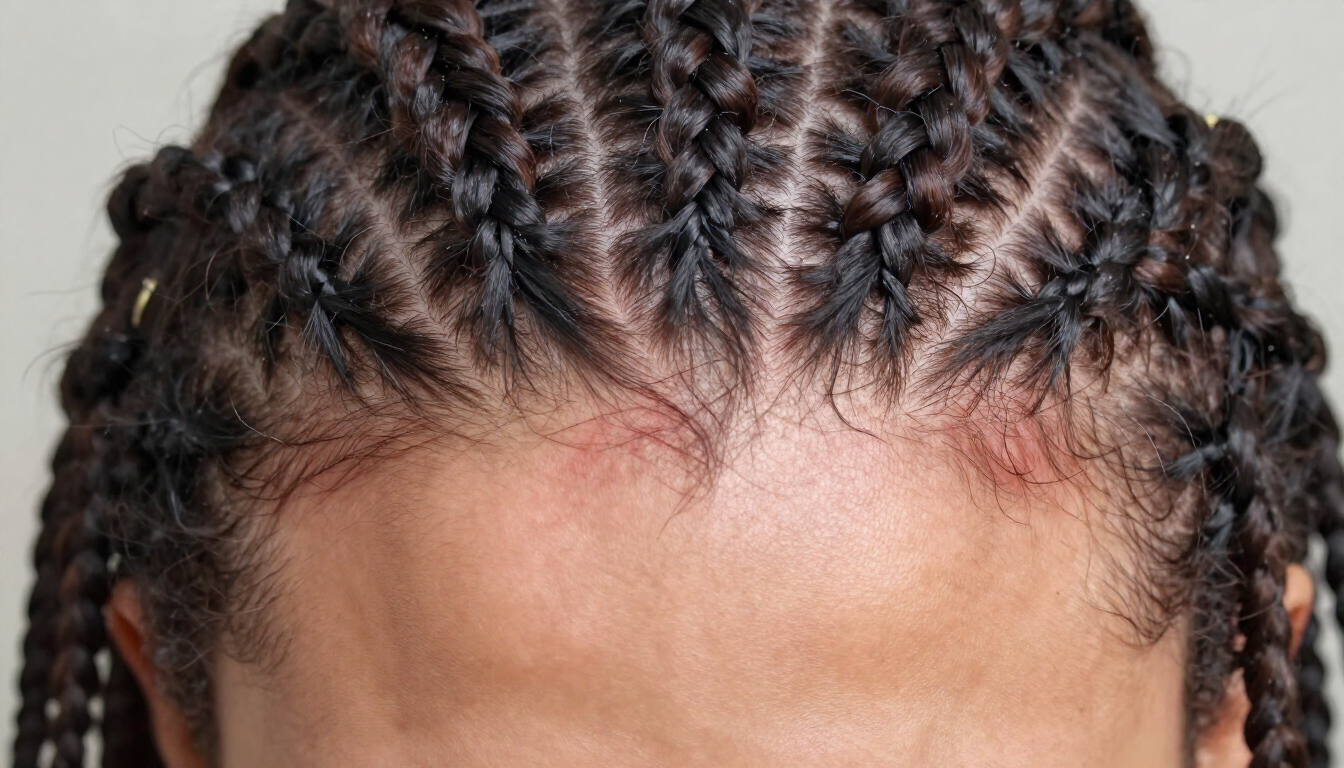
Traction alopecia occurs when the hair is pulled so tightly that it physically damages the follicle. Unlike genetic hair loss or autoimmune conditions, this is a mechanical form of trauma. When you wear your hair in a style that exerts constant pressure on the roots, the follicle is eventually forced into a premature resting phase. If the tension continues over months or years, the follicle can become inflamed, scarred, and eventually lose its ability to produce hair entirely.

At Funnah Medix , we see this condition frequently. It often starts subtly, with small bumps or redness along the hairline. Many women mistake these for breakouts, but they are actually signs of folliculitis—inflammation caused by tension. Over time, the hair begins to thin, and the forehead may appear to be growing larger as the hairline recedes. Understanding that your hairstyle is a choice that affects your long-term health is the first step toward recovery.

The Science Behind Follicle Damage

The human scalp contains roughly 100,000 hair follicles, each operating on a specific growth cycle. This cycle includes the anagen (growth), catagen (transition), and telogen (resting) phases. Traction alopecia disrupts this delicate rhythm. When a follicle is subjected to constant pulling, it triggers a chronic inflammatory response around the hair bulb.

This inflammation leads to:

  • Weakening of the hair shaft
  • Miniaturization of the hair follicle
  • Eventual fibrosis (scarring) of the tissue
  • Permanent loss of the hair-producing cells

Once a follicle has progressed to the scarring stage, it is considered "burnt out." At this point, traditional topical treatments may no longer work, and more advanced interventions, like those we provide in our About Us section, may be necessary. It is a progressive condition, meaning the sooner you identify the problem and remove the source of tension, the better your chances of full regrowth.

Common Signs Your Hairstyle is Too Tight

Identifying traction alopecia early is critical for preventing permanent damage. You should monitor your scalp regularly, especially if you favor high-tension styles. Look for these specific indicators:

  • Small, flesh-colored or red bumps around the hairline
  • Tenderness or soreness of the scalp when you let your hair down
  • Itching or stinging sensations shortly after getting your hair styled
  • Visible thinning or patchiness along the temples or nape of the neck
  • A feeling of "relief" or a headache that subsides when you undo your hair

If you notice any of these signs, it is an immediate signal from your body that your follicles are in distress. Ignoring these warnings can lead to a condition known as "central centrifugal cicatricial alopecia" (CCCA) or permanent traction loss, which requires clinical intervention.

Which Hairstyles Cause the Most Tension?

Not all hairstyles are created equal when it comes to scalp health. While we all love a sleek look, some styles are notorious for causing traction alopecia due to the weight and constant pull they exert on the scalp. High-risk styles often involve the use of synthetic hair or heavy extensions which add weight to the natural strand.

Scalp Tension Visual

The following styles are the most common culprits:

  • Box Braids and Cornrows: Especially when done too small or with excessive extensions.
  • Tight Ponytails and High Buns: These pull specifically on the front and sides of the hairline.
  • Hair Weaves and Extensions: Glued or sewn-in extensions can drag on the natural hair.
  • Dreadlocks: As they grow longer and heavier, the weight can pull on the roots.
  • Heavy Headbands or Tightly Wound Turbans: These create friction and pressure on the edges.

It is important to remember that "beauty should not hurt." If your stylist is pulling your hair so tightly that your skin feels stretched or your eyebrows are lifted, you are at risk. Always communicate with your stylist and request a looser grip, especially around the delicate perimeter of your face.

Can Traction Alopecia be Reversed Naturally?

The short answer is: yes, but only if the hair follicle has not yet been replaced by scar tissue. The reversibility of traction alopecia depends entirely on the stage at which you address it. If you catch it while you are still seeing "baby hairs" or fine fuzz in the thinning areas, there is a high probability that your hair will return with proper care.

Natural reversal steps include:

  • Immediately stopping all high-tension hairstyles for at least 3-6 months.
  • Massaging the scalp with stimulating oils like peppermint or rosemary to increase blood flow.
  • Using a soft-bristled brush and avoiding harsh chemical treatments.
  • Ensuring a diet rich in biotin, iron, and protein to support the growth cycle.
  • Practicing "low manipulation" hair care to let the follicles rest.

However, if the skin in the affected area looks shiny and smooth, it may indicate that the follicles have closed. In these cases, natural remedies will not suffice. You will need to explore medical-grade solutions. If you aren't sure where you stand, we invite you to Contact Us for a professional assessment.

How to Prevent Traction Alopecia Every Day?

Prevention is always easier than restoration. Incorporating healthy hair habits into your daily routine can ensure that your follicles stay strong and productive for a lifetime. It’s about balance—you can still enjoy beautiful styles, but you must do so mindfully.

Healthy Loose Hairstyle

Consider these preventative measures:

  • The Two-Finger Rule: You should be able to slide two fingers under any braid or ponytail easily.
  • Rotate Your Styles: Never wear the same tight style two weeks in a row; give your hair a "break" week.
  • Limit Chemicals: Avoid using relaxers or high-heat tools on hair that is already under tension.
  • Sleep on Silk: Use a silk or satin pillowcase to reduce friction on your edges at night.
  • Choose Thicker Braids: Larger braids distribute weight more evenly than tiny micro-braids.

By following these simple guidelines, you protect the structural integrity of your hair. At Funnah Medix, we believe that education is the best tool for hair health. We encourage our clients to become advocates for their own scalps, even when sitting in a salon chair.

Protective Styles: Friend or Foe?

The term "protective style" is often used for braids or weaves intended to give the hair a rest from daily combing and heat. However, a protective style is only protective if it isn't causing tension. Many women inadvertently cause more damage while trying to "save" their hair.

A truly protective style should:

  • Not cause pain or discomfort during or after installation.
  • Allow access to the scalp for cleansing and moisturizing.
  • Be worn for no longer than 6 to 8 weeks at a time.
  • Not use excessive amounts of added hair that creates weight.
  • Be removed gently without yanking or pulling at the roots.

If your protective style is making your scalp itch or causing small bumps, it has become a "destructive style." It is better to take the hair down early and lose the investment of the hairstyle than to lose your hair permanently.

The Role of Scalp Health in Hair Growth

Your scalp is the soil in which your hair grows. If the soil is dry, inflamed, or constricted, the hair cannot thrive. Traction alopecia is often exacerbated by a lack of moisture. When the scalp is dry, the hair is more brittle and prone to snapping at the root when pulled.

To maintain optimal scalp health:

  • Use a sulfate-free shampoo to avoid stripping natural oils.
  • Apply a lightweight, antimicrobial oil to the scalp to prevent infection in inflamed areas.
  • Avoid heavy greases that can clog the follicles.
  • Stay hydrated, as hair is one of the last parts of the body to receive hydration.
  • Get regular professional scalp treatments to clear away debris and buildup.

Professional Hair Restoration Options

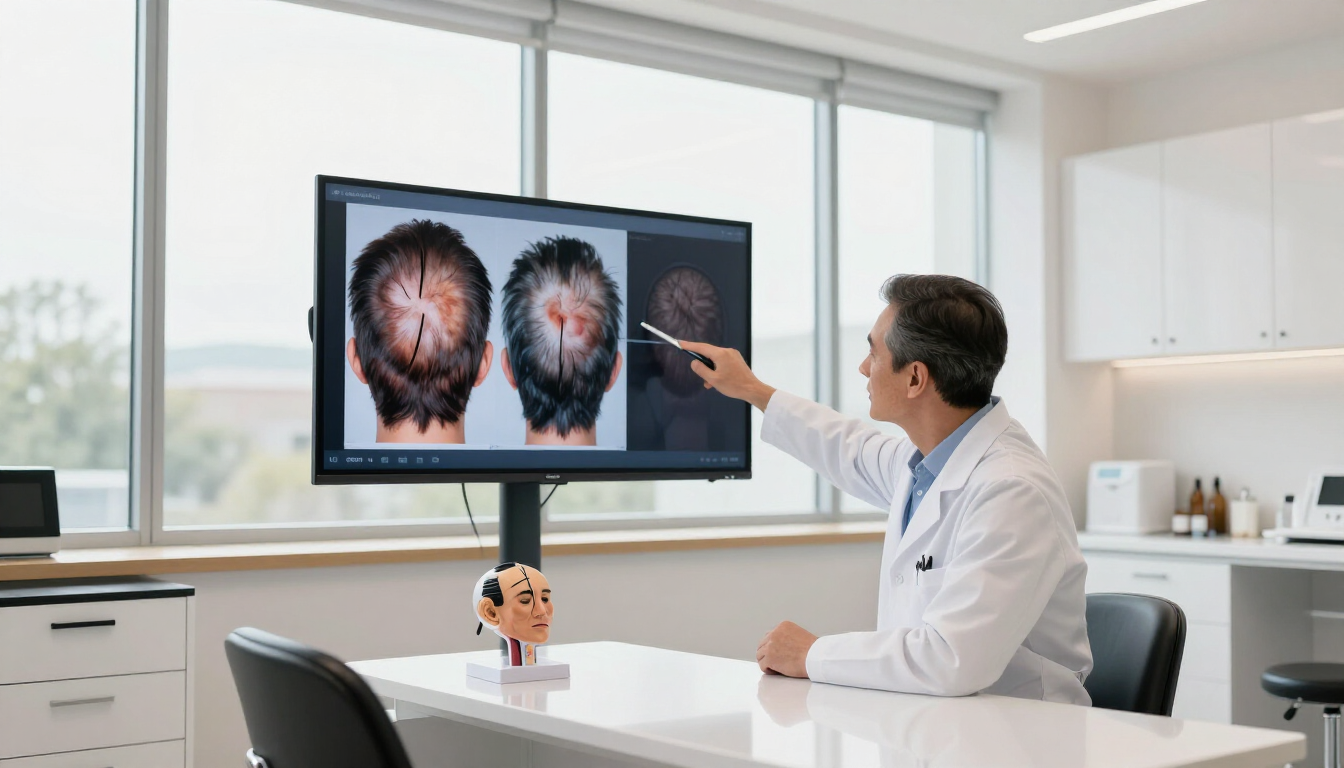
For those who have moved past the initial stages of traction alopecia, professional help is the most effective path forward. At Funnah Medix, we specialize in evidence-based treatments that target the root of the problem—literally. When you visit our Home page, you'll see a variety of ways we help women regain their hairlines and their confidence.

Hair Clinic Consultation

Some of the most effective professional treatments include:

  • Platelet-Rich Plasma (PRP) Therapy: Using your own blood’s growth factors to jumpstart dormant follicles.
  • Minoxidil Programs: Medically supervised topical treatments to prolong the growth phase.
  • Low-Level Laser Therapy (LLLT): Using light energy to reduce inflammation and stimulate cellular repair.
  • Scalp Micropigmentation: A cosmetic solution to mimic the appearance of hair follicles in thinning areas.
  • Follicular Unit Extraction (FUE): For permanent scarring, hair can be transplanted from a donor site to the hairline.

Choosing the right treatment requires a personalized plan. Every scalp is different, and the degree of damage varies. Our compassionate professionals are here to guide you through the process of choosing the most effective, least invasive option for your specific needs.

Taking Action for Better Scalp Health

If you suspect you are losing hair due to tight styles, the most important thing you can do is take action immediately. Time is of the essence when it comes to traction alopecia. The longer you wait, the higher the risk of permanent follicle death.

Start by assessing your current hairstyle. Is it pulling? Is it heavy? If so, take it down today. Then, begin a regimen of gentle care and observation. If you don't see improvement within 4-6 weeks of removing the tension, it’s time to seek expert advice. We are committed to helping you nurture your scalp and protect your natural beauty. Your hair is an expression of who you are; let's work together to keep it healthy, strong, and full.

Summary: Protecting Your Follicles from Tension

Traction alopecia is a serious but often preventable condition caused by constant pulling on the hair. By recognizing the early signs—such as redness, bumps, and localized thinning—and adjusting your hairstyling habits, you can stop the damage before it becomes permanent. Always prioritize comfort over aesthetics, and give your scalp frequent breaks from braids, weaves, and tight ponytails.

Key Takeaways:

  • Stop wearing tight styles immediately if you notice soreness or thinning.
  • Practice the "Two-Finger Rule" to ensure styles aren't too tight.
  • Use professional restoration treatments like PRP if follicles are dormant.
  • Maintain a healthy scalp environment with moisture and gentle handling.
  • Contact us today for a personalized hair restoration assessment.

Recent Posts

A beautiful close-up of healthy, restored hair showing natural growth.
June 1, 2026
Embarking on a hair restoration journey? Learn why scalp health and hair regrowth take time, what to expect at each stage, and how Funnah Medix helps you succeed.

Person regaining confidence after hair restoration.
June 1, 2026
Discover life-changing hair restoration treatments at Funnah Medix. Learn how to rebuild your confidence and achieve natural results with our expert guide.

A smiling person with healthy hair representing confidence and mental well-being.
June 1, 2026
Explore the deep connection between hair loss and mental health. Discover how Funnah Medix provides holistic restoration to help you reclaim your identity and confidence in 2026.
Scientific comparison of healthy versus damaged hair follicles due to lifestyle factors.
June 1, 2026
Learn how alcohol and smoking impact hair follicle health. Funnah Medix explains the science of hair loss and how to restore your scalp for natural growth.

Assortment of healthy superfoods including salmon, nuts, and greens for hair growth
June 1, 2026
Discover the top 10 foods that promote scalp health and hair growth! Learn how a nutrient-rich diet can transform your hair's thickness and shine today at Funnah Medix.
Vibrant shiny hair with water droplets representing hydration and hair health.
June 1, 2026
Unlock the secret to thick, shiny locks! Learn how the link between hydration and hair health prevents breakage and promotes faster, natural growth in 2026.

A person with healthy hair exercising outdoors in the sunlight.
June 1, 2026
Explore the fascinating link between exercise and hair growth. Learn how physical activity boosts scalp health and discover expert tips to protect your hair while staying fit.

Healthy hair and restorative sleep concept
June 1, 2026
Discover how poor sleep and hair loss are connected. Learn why sleep deprivation triggers thinning and get expert tips from Funnah Medix for restoration.

Enthusiastic woman with healthy hair after iron treatment
June 1, 2026
Learn how iron deficiency and hair loss are connected and discover 5 ways to restore your hair's health with Funnah Medix's expert guidance.

A colorful selection of nutrient-dense foods for hair growth including eggs, greens, and nuts.
June 1, 2026
Discover the best nutrients for hair growth in our dietitian-approved guide. Learn which vitamins and minerals promote scalp health and thicker hair.
Show More