


7 Common Causes of Hair Loss: Why It Happens & How to Win

May 28, 2026

Share this article

Hair loss occurs when the growth cycle is disrupted by factors like genetics, hormonal shifts, or nutritional deficiencies. Most people lose hair due to androgenetic alopecia, stress-induced telogen effluvium, or scalp conditions. Identifying the root cause is the first step toward effective restoration and regained confidence.

What are the most common causes of hair loss?

Understanding the common causes of hair loss begins with recognizing that hair growth is a complex biological process. Every strand of hair on your head goes through a cycle: the anagen phase (growth), the catagen phase (transition), and the telogen phase (resting). Under normal circumstances, you might lose 50 to 100 hairs a day. However, when the system is interrupted, you may notice more significant thinning or bald patches.

At Funnah Medix , we believe that knowledge is power. When you understand why your hair is thinning, you can take enthusiastic action toward fixing it. While many factors contribute to shedding, most cases fall into a few primary categories. These include genetic predispositions, lifestyle choices, and underlying health conditions. By pinpointing which of these is affecting you, our experts can design a personalized care plan that targets your specific needs.

Common triggers often seen in our clinic include:

  • Hereditary thinning (Androgenetic Alopecia)
  • Significant physical or emotional stress
  • Major hormonal fluctuations
  • Poor diet and vitamin deficiencies
  • Harsh hairstyling techniques and chemicals
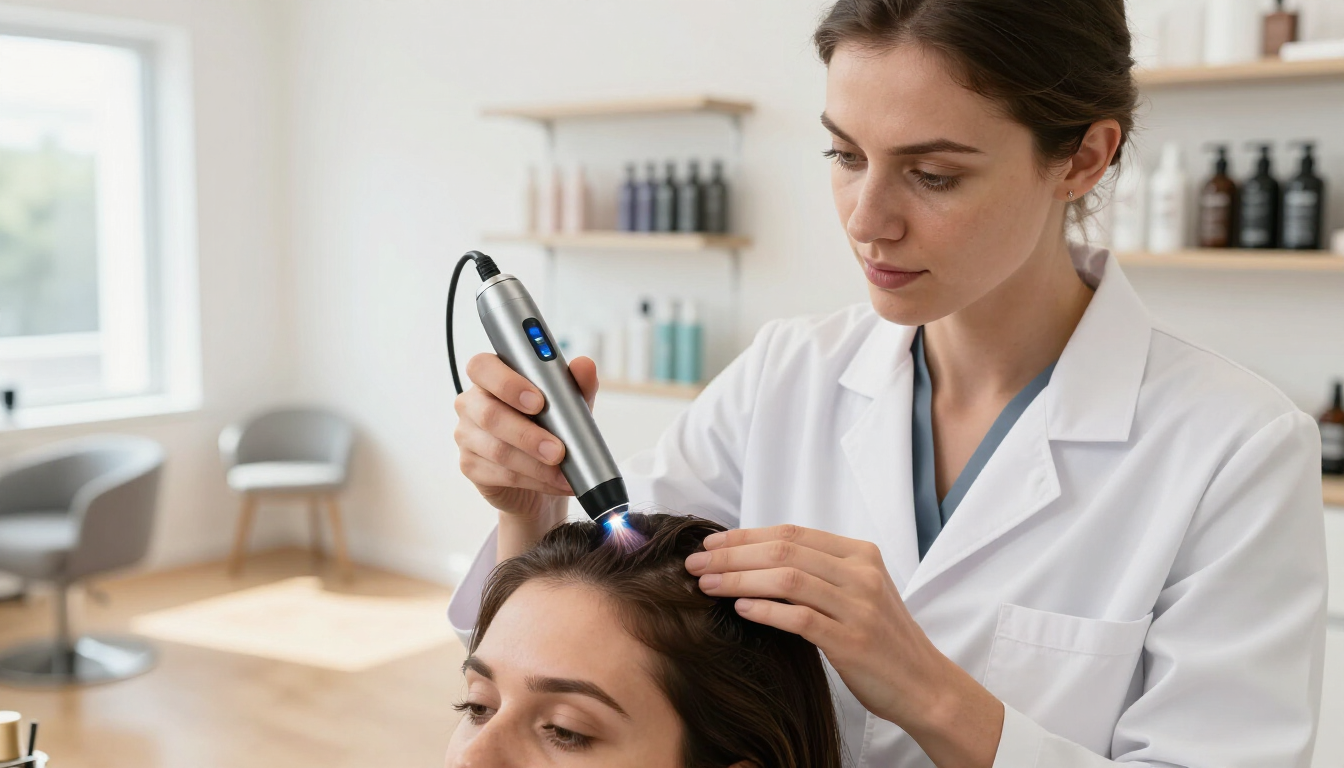
Specialist Examining Scalp

Is genetics the main reason for thinning?

For many men and women between the ages of 20 and 55, genetics is the leading contributor to hair loss. This condition, known as androgenetic alopecia, is often referred to as male-pattern or female-pattern baldness. It isn't just about "getting old"; it is a biological sensitivity to a hormone called dihydrotestosterone (DHT). Over time, DHT causes hair follicles to shrink, or "miniaturize," resulting in shorter, thinner strands until the follicle eventually stops producing hair altogether.

In men, this usually presents as a receding hairline or a thinning crown. In women, it typically manifests as a widening part or overall thinning across the top of the scalp. While you can't change your DNA, you can certainly manage its effects. Modern restoration techniques focus on blocking DHT or stimulating blood flow to the follicles to keep them active for as long as possible.

We often meet patients who feel frustrated by their family history, but it’s important to remember that early intervention is key. If you notice your hair isn't as thick as it used to be, now is the perfect time to explore evidence-based therapies. At About us , you can learn more about how our team approaches these hereditary challenges with compassion and expertise.

The Impact of Stress and Telogen Effluvium

Stress is more than just a feeling; it is a physiological event that can wreak havoc on your scalp health. Telogen effluvium is a common form of temporary hair loss that occurs after a significant stressor. This could be a high-fever illness, surgery, a sudden weight loss, or an emotionally taxing life event. When the body is under extreme pressure, it shifts its energy away from "non-essential" functions like hair growth to focus on survival.

This shift pushes a large number of hair follicles into the resting phase simultaneously. About three to six months after the stressful event, those hairs begin to shed all at once. This can be incredibly alarming, as you might see clumps of hair in the shower or on your brush. The good news is that telogen effluvium is usually reversible once the stressor is managed and the body regains its balance.

To support recovery during this time, it is vital to:

  • Prioritize sleep and mental well-being
  • Ensure adequate caloric and protein intake
  • Avoid harsh chemical treatments on the scalp
  • Consult with a specialist for scalp therapies
  • Practice patience as the cycle resets
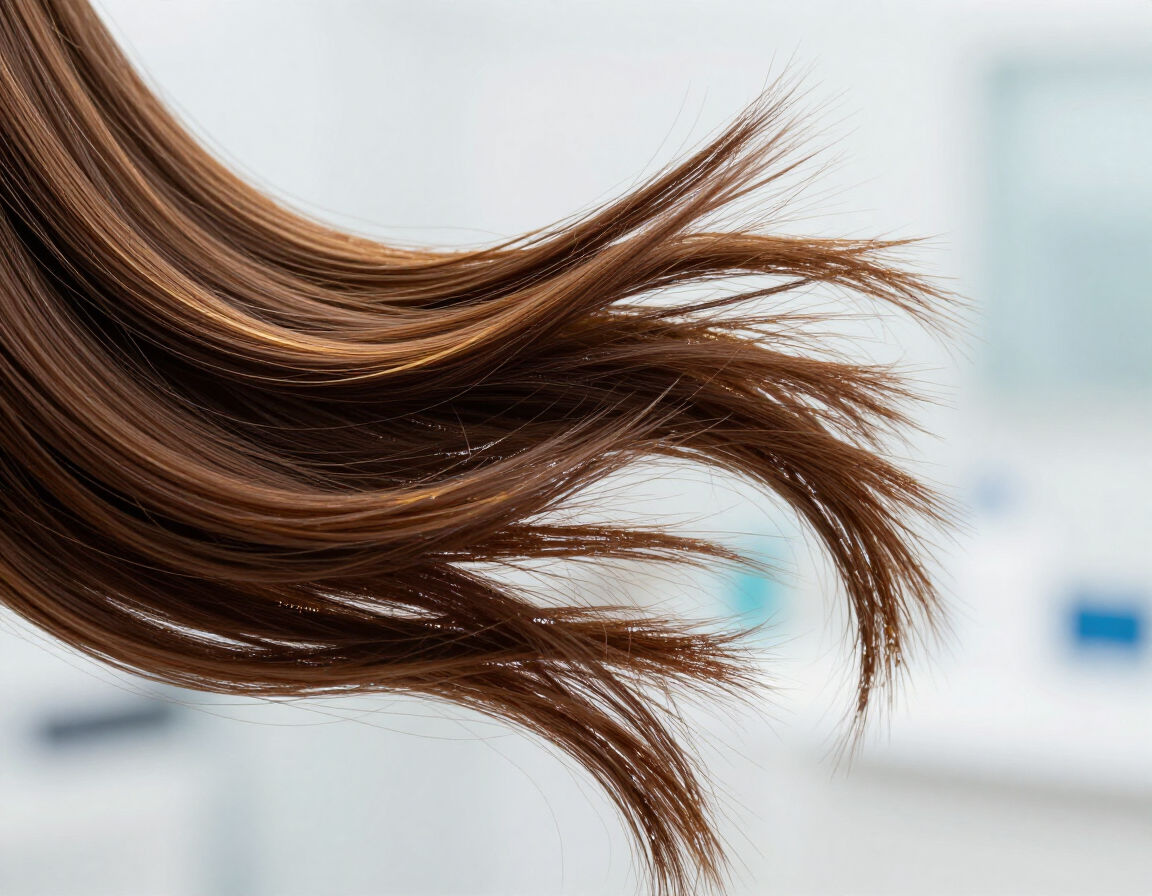
Healthy Hair Texture

How do hormonal changes affect your scalp?

Hormones act as the body's messengers, and when they are out of balance, your hair is often the first to tell you. Women, in particular, may experience hair thinning due to significant life transitions. Pregnancy and childbirth are major triggers; during pregnancy, high estrogen levels keep hair in the growth phase, but after delivery, those levels drop, leading to postpartum shedding. Similarly, menopause causes a decrease in estrogen and progesterone, which can allow androgens (male hormones) to have a stronger influence on the follicles.

Thyroid issues are another significant factor. Both hyperthyroidism and hypothyroidism can cause the hair to become dry, brittle, and thin. Because the thyroid gland regulates metabolism and cell division, an imbalance can slow down the production of new hair cells. If you find that your hair loss is accompanied by fatigue, weight changes, or temperature sensitivity, a hormonal screening might be necessary.

At Funnah Medix, we collaborate with medical professionals to ensure your hair loss isn't just a symptom of a deeper hormonal imbalance. We look at the whole picture—your health, your history, and your goals—to provide a comprehensive solution that restores both your hair and your peace of mind. Don't hesitate to Contact Us if you suspect your hormones are playing a role in your thinning hair.

Nutritional Deficiencies and Hair Health

Your hair is made of a tough protein called keratin, and building that protein requires a steady supply of vitamins and minerals. If your diet is lacking, your body will divert nutrients to your vital organs first, leaving your hair follicles struggling to survive. Nutritional deficiencies are among the most overlooked common causes of hair loss , yet they are often the easiest to fix through lifestyle changes and supplementation.

Iron deficiency (anemia) is a primary culprit, as iron helps red blood cells carry oxygen to your cells, including hair follicles. Low levels of Vitamin D, Zinc, and Biotin are also frequently linked to thinning. Furthermore, restrictive dieting or a lack of adequate protein can cause the hair to enter the resting phase prematurely.

Key nutrients for a vibrant scalp include:

  • Iron for oxygenation of follicles
  • Zinc for hair tissue growth and repair
  • Vitamin D to create new hair follicles
  • Biotin for keratin production
  • Omega-3 fatty acids for scalp hydration

Can certain medications cause temporary thinning?

It is a little-known fact that several common medications list hair loss as a potential side effect. This type of shedding is usually temporary and resolves once the medication is stopped or adjusted, but it can still be distressing. Medications for blood pressure, cholesterol, acne (such as retinoids), and even certain antidepressants can interfere with the normal hair growth cycle.

Anticoagulants (blood thinners) and beta-blockers are frequently associated with telogen effluvium. Additionally, treatments like chemotherapy are well-known for causing anagen effluvium, where hair is lost during the active growth phase. If you have recently started a new medication and noticed increased shedding, it is important to discuss this with your doctor before making any changes to your prescription.

Our clinic works with patients to identify these potential triggers and provide supportive therapies that can mitigate the effects of medication-induced thinning. We believe in a holistic approach that respects your overall medical needs while prioritizing your hair restoration goals. We are here to support you through every stage of your health journey.

Environmental Factors and Hair Styling Habits

Sometimes, the way we treat our hair is the very thing causing it to fall out. Physical stress on the hair shaft and follicle can lead to a condition called traction alopecia. This occurs when hair is pulled tight in styles like braids, ponytails, or extensions over a long period. The constant tension damages the follicle, which can lead to permanent scarring and hair loss if the behavior isn't changed.

Chemical damage is another factor. Frequent bleaching, perms, and the use of high-heat styling tools can break down the hair's structure. While this usually leads to breakage rather than loss from the root, severe chemical burns on the scalp can damage follicles. Protecting your hair from environmental pollutants and UV rays is also essential for maintaining the integrity of each strand.

To keep your hair safe from physical and chemical stress, consider:

  • Wearing "low-tension" hairstyles
  • Reducing the use of heat styling tools
  • Using sulfate-free, nourishing shampoos
  • Avoiding frequent chemical processing
  • Giving your scalp regular breaks from extensions
Confident People with Healthy Hair

Why a professional assessment matters?

While self-diagnosis is tempting, the overlapping symptoms of different types of hair loss make it difficult to identify the true cause on your own. A "one-size-fits-all" approach rarely works because your scalp is as unique as your fingerprint. A professional assessment at Funnah Medix involves a deep dive into your medical history, a physical examination of the scalp, and sometimes blood work to rule out deficiencies or hormonal shifts.

We use advanced diagnostic tools to see what the naked eye cannot, allowing us to catch thinning in its earliest stages. This proactive approach ensures that we aren't just treating the symptoms, but addressing the root cause. Whether you need a simple nutritional adjustment, a specialized scalp therapy, or a long-term restoration plan, we are committed to being your partner in hair health.

Conclusion: Your Path to Hair Restoration

Identifying the common causes of hair loss is the vital first step in reclaiming your look and your confidence. From genetic predispositions to the modern stresses of life, many factors influence the health of your scalp. The good news is that most forms of hair thinning are manageable, and many are even reversible with the right care. At Funnah Medix, we combine clinical expertise with a passionate commitment to natural-looking results, ensuring you feel supported throughout your restoration journey.

Takeaway Points for Your Hair Health:

  • Understand your history and genetics to stay ahead of thinning.
  • Manage stress levels to prevent temporary shedding cycles.
  • Prioritize a nutrient-rich diet that feeds your follicles from within.
  • Be gentle with your hair styling to avoid physical follicle damage.
  • Seek a professional consultation to develop a personalized treatment plan.

Ready to transform your hair health? Contact Us today to schedule your assessment and take the first step toward a fuller, more vibrant head of hair!

Recent Posts

A beautiful close-up of healthy, restored hair showing natural growth.
June 1, 2026
Embarking on a hair restoration journey? Learn why scalp health and hair regrowth take time, what to expect at each stage, and how Funnah Medix helps you succeed.

Person regaining confidence after hair restoration.
June 1, 2026
Discover life-changing hair restoration treatments at Funnah Medix. Learn how to rebuild your confidence and achieve natural results with our expert guide.

A smiling person with healthy hair representing confidence and mental well-being.
June 1, 2026
Explore the deep connection between hair loss and mental health. Discover how Funnah Medix provides holistic restoration to help you reclaim your identity and confidence in 2026.
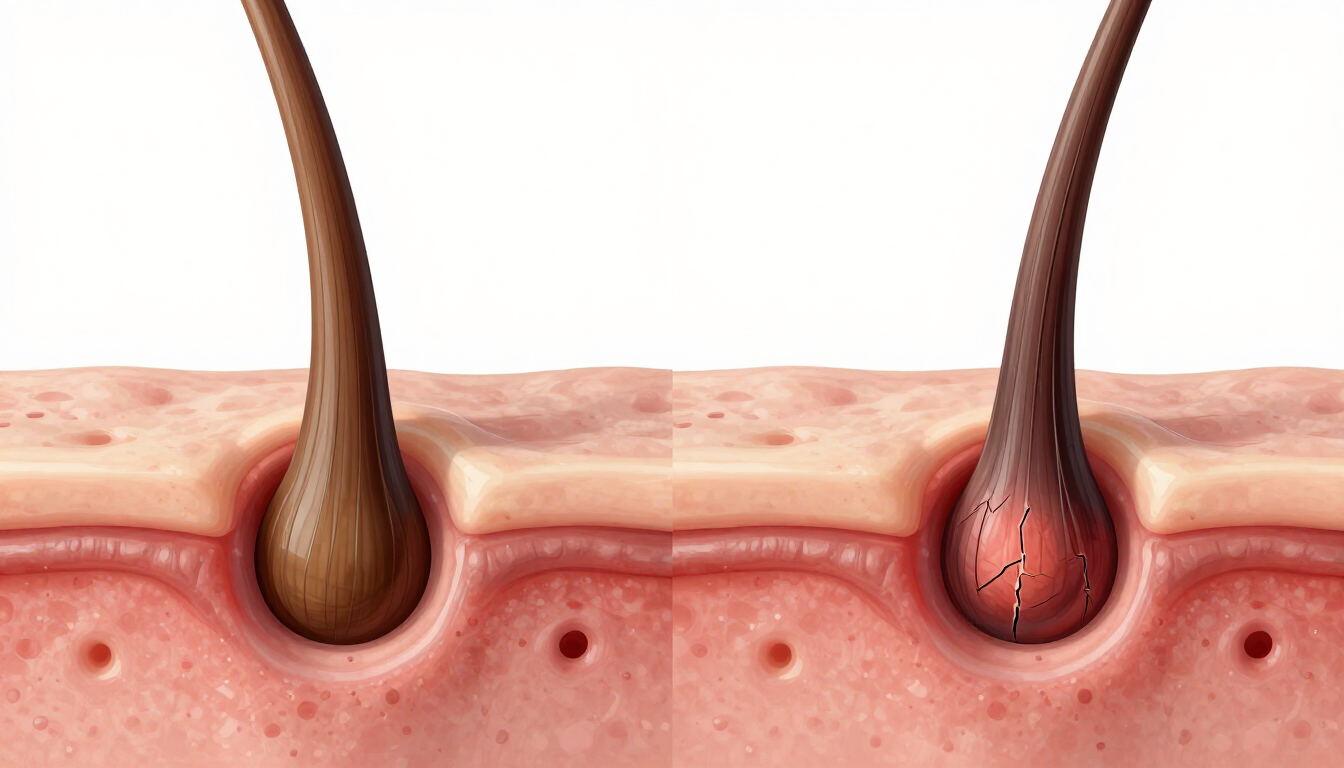
Scientific comparison of healthy versus damaged hair follicles due to lifestyle factors.
June 1, 2026
Learn how alcohol and smoking impact hair follicle health. Funnah Medix explains the science of hair loss and how to restore your scalp for natural growth.
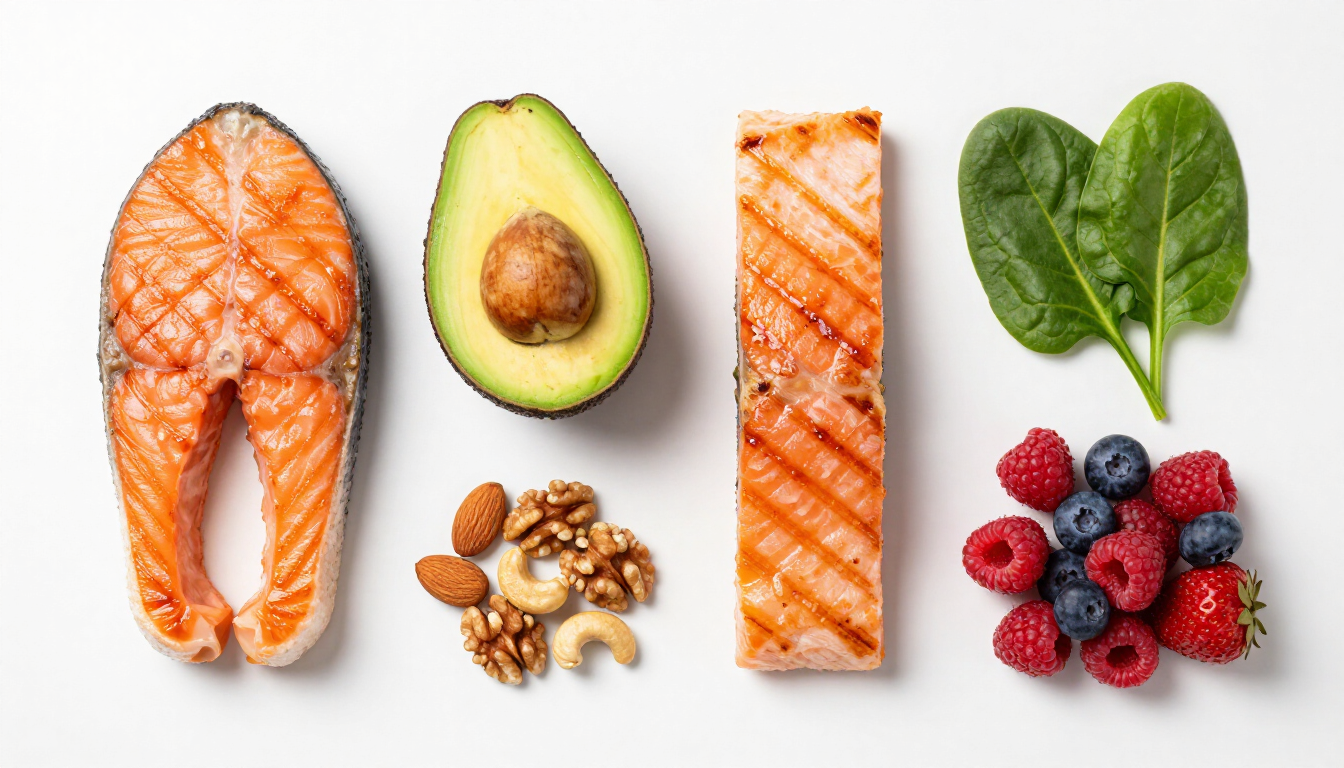
Assortment of healthy superfoods including salmon, nuts, and greens for hair growth
June 1, 2026
Discover the top 10 foods that promote scalp health and hair growth! Learn how a nutrient-rich diet can transform your hair's thickness and shine today at Funnah Medix.
Vibrant shiny hair with water droplets representing hydration and hair health.
June 1, 2026
Unlock the secret to thick, shiny locks! Learn how the link between hydration and hair health prevents breakage and promotes faster, natural growth in 2026.

A person with healthy hair exercising outdoors in the sunlight.
June 1, 2026
Explore the fascinating link between exercise and hair growth. Learn how physical activity boosts scalp health and discover expert tips to protect your hair while staying fit.

Healthy hair and restorative sleep concept
June 1, 2026
Discover how poor sleep and hair loss are connected. Learn why sleep deprivation triggers thinning and get expert tips from Funnah Medix for restoration.

Enthusiastic woman with healthy hair after iron treatment
June 1, 2026
Learn how iron deficiency and hair loss are connected and discover 5 ways to restore your hair's health with Funnah Medix's expert guidance.

A colorful selection of nutrient-dense foods for hair growth including eggs, greens, and nuts.
June 1, 2026
Discover the best nutrients for hair growth in our dietitian-approved guide. Learn which vitamins and minerals promote scalp health and thicker hair.
Show More