

Male Pattern Baldness vs. Female Hair Thinning Differences

May 28, 2026

Share this article

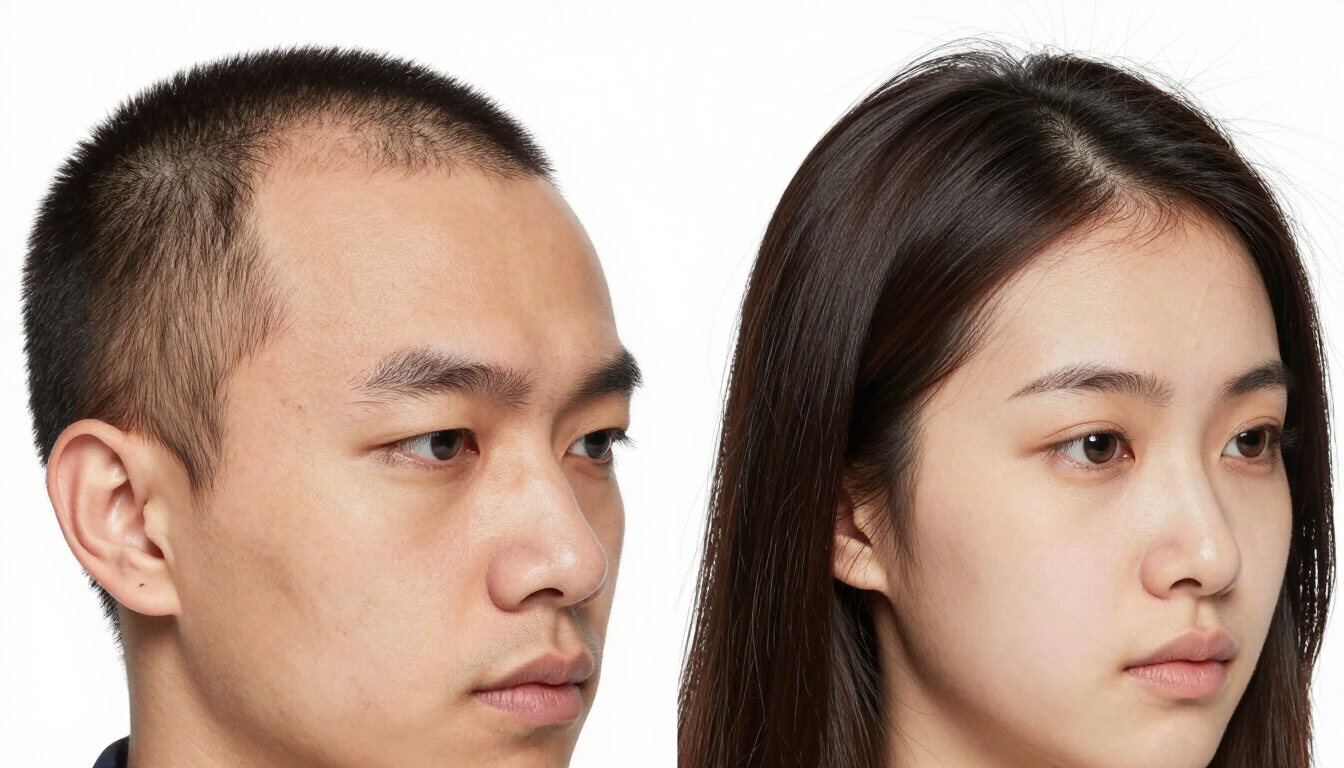
The primary difference between male pattern baldness and female hair thinning lies in the pattern and progression . Men typically experience a receding hairline and thinning at the crown (vertex), while women face diffuse thinning across the entire scalp, maintaining their hairline but seeing a wider part or visible scalp.

What is the main difference between male and female hair loss?

While both men and women can suffer from androgenetic alopecia, the visual manifestation is distinct. Male pattern baldness is often characterized by a predictable "M" shape as the hairline recedes from the forehead. This is frequently accompanied by a bald spot at the top of the head that eventually expands. In contrast, female hair thinning—often referred to as Female Pattern Hair Loss (FPHL)—is characterized by a general decrease in hair density. Women rarely go completely bald; instead, they notice that their ponytail is thinner or that their part seems to be getting wider over time.

At Funnah Medix , we see these differences every day. The biological underpinnings involve the hormone dihydrotestosterone (DHT), but the way the scalp's hair follicles react to this hormone varies significantly by gender. Men have higher levels of circulating testosterone, which converts to DHT, leading to the rapid miniaturization of follicles in specific regions. Women also have DHT, but it is often balanced by estrogen until menopause, which is why female thinning tends to be more gradual and widespread.

Comparison of thinning patterns

Defining Male Pattern Baldness

Male pattern baldness is the most common cause of hair loss in men, affecting a significant percentage of the population by age 50. It follows the Norwood Scale, a classification system that tracks the stages of recession and balding. The process begins with a slight recession at the temples, followed by thinning at the crown. Over years or decades, these two areas may meet, leaving a U-shaped ring of hair around the sides and back of the head.

This condition is largely hereditary. If your father or grandfather experienced significant balding, you are more likely to follow suit. However, it isn't just about the presence of DHT; it is about the sensitivity of your hair follicles to that hormone. The follicles on the top of the head are genetically programmed to be sensitive, while the follicles on the back and sides are usually resistant—which is why hair transplants involve moving those resistant follicles to the thinning areas.

Why does female hair thinning look different?

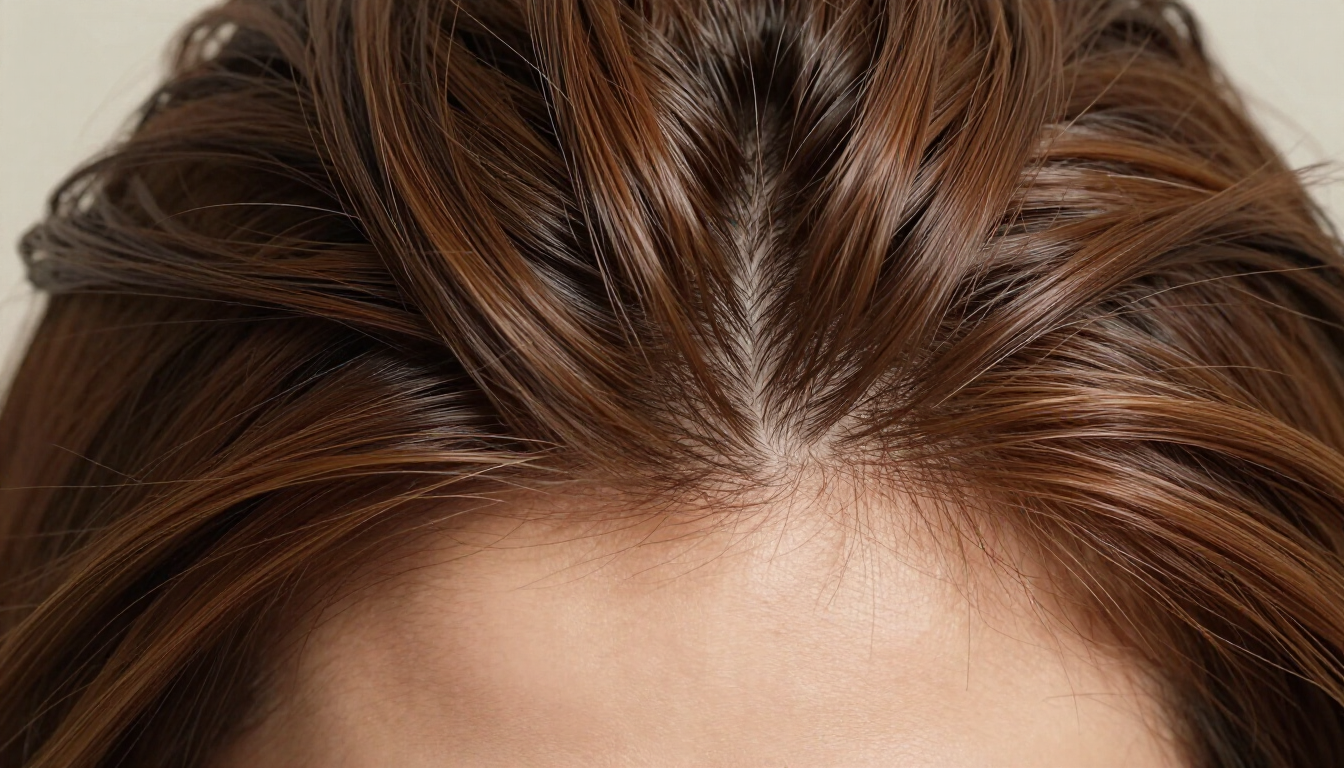
Female hair thinning is often more psychologically distressing because it doesn't follow a "socially expected" pattern like male balding. Instead of a clear bald spot, women experience a loss of volume. This is measured on the Ludwig Scale, which ranges from Type I (mild thinning) to Type III (significant thinning across the crown). Because the frontal hairline remains intact, many women do not realize they are losing hair until they have already lost about 50% of their hair density.

Biological factors such as pregnancy, thyroid imbalances, and iron deficiency can exacerbate this thinning. Unlike men, women often face "Telogen Effluvium," a temporary shedding caused by stress or hormonal shifts. However, androgenetic alopecia in women is a permanent condition that requires targeted intervention. At Funnah Medix, we focus on about us and our commitment to identifying the root cause of these shifts to provide personalized care that protects the remaining hair density.

Hormonal Drivers: DHT and Estrogen

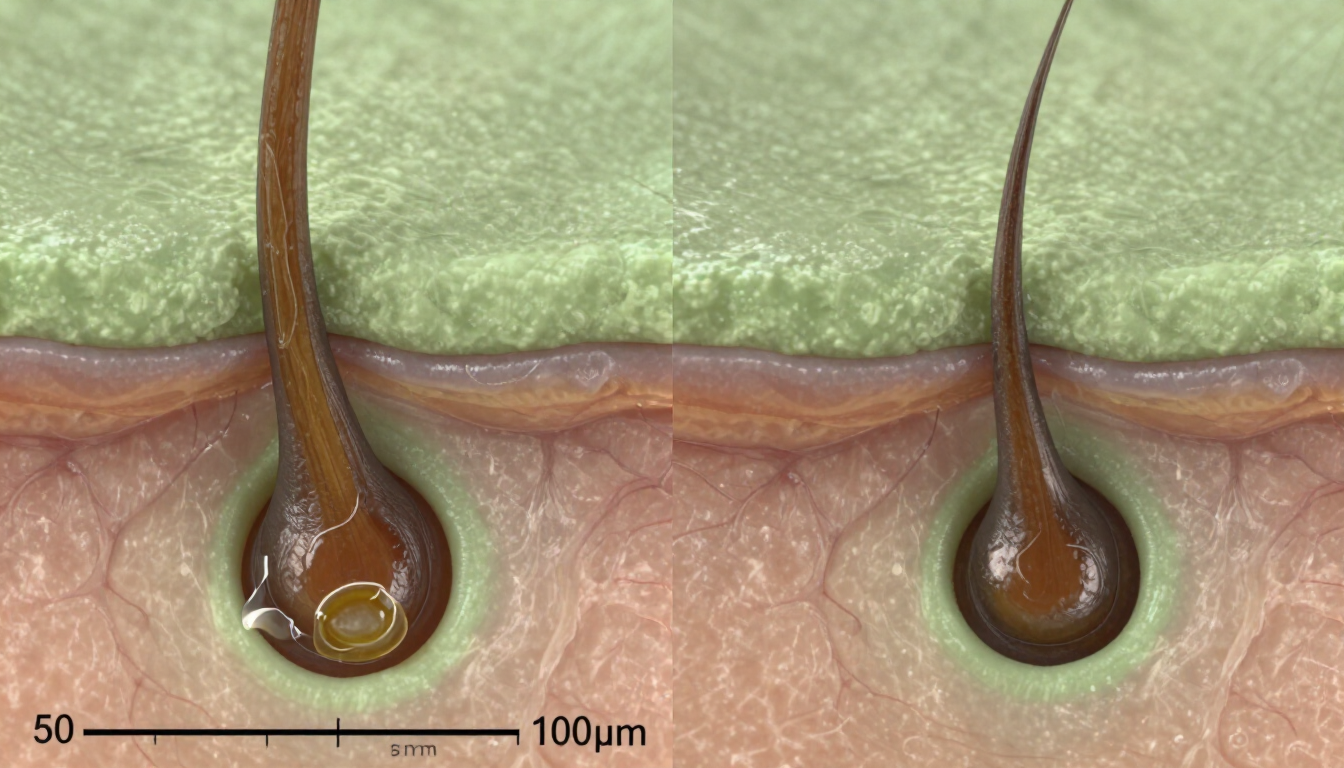
The conversation about Male Pattern Baldness vs. Female Hair Thinning always returns to hormones. Dihydrotestosterone (DHT) is an androgen that binds to receptors in the scalp, causing hair follicles to shrink. As the follicles get smaller, the hair they produce becomes finer, shorter, and lighter until the follicle eventually stops producing hair altogether.

  • Men: High testosterone levels lead to higher DHT production.
  • Women: Estrogen acts as a protective barrier against DHT’s effects.
  • Menopause: A drop in estrogen often triggers a sudden increase in thinning.
  • Genetics: The number of androgen receptors in your scalp is inherited.
  • Age: Follicle sensitivity often increases as we get older.
Microscopic view of hair follicles

How do I know if my hair loss is permanent?

Distinguishing between temporary shedding and permanent thinning is the first step in any hair restoration journey. If you notice large clumps of hair in the shower or on your pillow suddenly, it might be Telogen Effluvium, which is often reversible once the underlying stressor is removed. However, if the change is gradual—such as a receding hairline over two years or a slowly widening part—it is likely androgenetic alopecia.

A professional assessment is crucial. At our clinic, we use trichoscopy to look at the scalp under high magnification. If we see "miniaturization" (hairs of different diameters growing from the same area), it confirms pattern thinning. Permanent hair loss means the follicle has scarred over or miniaturized to the point where it can no longer support a visible hair. Early intervention is the key to "waking up" follicles before they reach this point of no return.

Top Hair Restoration Strategies

Modern science has provided us with incredible tools to combat both male pattern baldness and female hair thinning. The approach at Funnah Medix is holistic, combining medical-grade treatments with scalp health optimization. We don't believe in a one-size-fits-all solution because every scalp is unique.

  1. Topical Treatments: Minoxidil remains the gold standard for increasing blood flow to follicles.
  2. Oral Medications: Prescription blockers can reduce DHT levels internally.
  3. PRP Therapy: Using your own blood platelets to stimulate growth factors.
  4. Low-Level Laser Therapy: Stimulating cellular activity in dormant follicles.
  5. Nutraceuticals: Targeting deficiencies in biotin, zinc, and iron.

Can lifestyle changes stop hair thinning?

While lifestyle changes cannot override genetics or the hormonal process of androgenetic alopecia, they can certainly slow the progression and improve the quality of the hair you have. Chronic stress increases cortisol, which can push more hairs into the shedding phase. Similarly, a diet low in protein and essential fatty acids leaves the hair brittle and prone to breakage, making thinning look even worse than it is.

Incorporating scalp massages can improve circulation, and avoiding harsh chemical treatments can prevent structural damage to the hair shaft. However, for those experiencing Male Pattern Baldness vs. Female Hair Thinning, medical intervention is usually necessary to see a significant reversal. We invite you to contact us today to schedule a consultation and take the first step toward a fuller head of hair.

Healthy hair results

Summary: Key Takeaways for Hair Health

Understanding the difference between male and female hair loss is essential for choosing the right treatment. While men deal with receding hairlines and women deal with diffuse thinning, the goal remains the same: protecting follicle health and boosting hair density.

  • Early Detection: The sooner you start treatment, the more hair you can save.
  • Gender-Specific Patterns: Men follow the Norwood scale; women follow the Ludwig scale.
  • Hormonal Links: DHT is the primary culprit in both genders.
  • Professional Help: Clinical assessments are more effective than over-the-counter guesses.
  • Holistic Care: Combine medical treatments with a healthy lifestyle for the best results.

At Funnah Medix, we are passionate about helping you regain your confidence. Whether you are seeing the first signs of a receding hairline or are concerned about a thinning part, our team is here to provide evidence-based solutions tailored to your specific needs.

Recent Posts

A beautiful close-up of healthy, restored hair showing natural growth.
June 1, 2026
Embarking on a hair restoration journey? Learn why scalp health and hair regrowth take time, what to expect at each stage, and how Funnah Medix helps you succeed.

Person regaining confidence after hair restoration.
June 1, 2026
Discover life-changing hair restoration treatments at Funnah Medix. Learn how to rebuild your confidence and achieve natural results with our expert guide.

A smiling person with healthy hair representing confidence and mental well-being.
June 1, 2026
Explore the deep connection between hair loss and mental health. Discover how Funnah Medix provides holistic restoration to help you reclaim your identity and confidence in 2026.
Scientific comparison of healthy versus damaged hair follicles due to lifestyle factors.
June 1, 2026
Learn how alcohol and smoking impact hair follicle health. Funnah Medix explains the science of hair loss and how to restore your scalp for natural growth.
Assortment of healthy superfoods including salmon, nuts, and greens for hair growth
June 1, 2026
Discover the top 10 foods that promote scalp health and hair growth! Learn how a nutrient-rich diet can transform your hair's thickness and shine today at Funnah Medix.
Vibrant shiny hair with water droplets representing hydration and hair health.
June 1, 2026
Unlock the secret to thick, shiny locks! Learn how the link between hydration and hair health prevents breakage and promotes faster, natural growth in 2026.

A person with healthy hair exercising outdoors in the sunlight.
June 1, 2026
Explore the fascinating link between exercise and hair growth. Learn how physical activity boosts scalp health and discover expert tips to protect your hair while staying fit.

Healthy hair and restorative sleep concept
June 1, 2026
Discover how poor sleep and hair loss are connected. Learn why sleep deprivation triggers thinning and get expert tips from Funnah Medix for restoration.

Enthusiastic woman with healthy hair after iron treatment
June 1, 2026
Learn how iron deficiency and hair loss are connected and discover 5 ways to restore your hair's health with Funnah Medix's expert guidance.
A colorful selection of nutrient-dense foods for hair growth including eggs, greens, and nuts.
June 1, 2026
Discover the best nutrients for hair growth in our dietitian-approved guide. Learn which vitamins and minerals promote scalp health and thicker hair.
Show More