
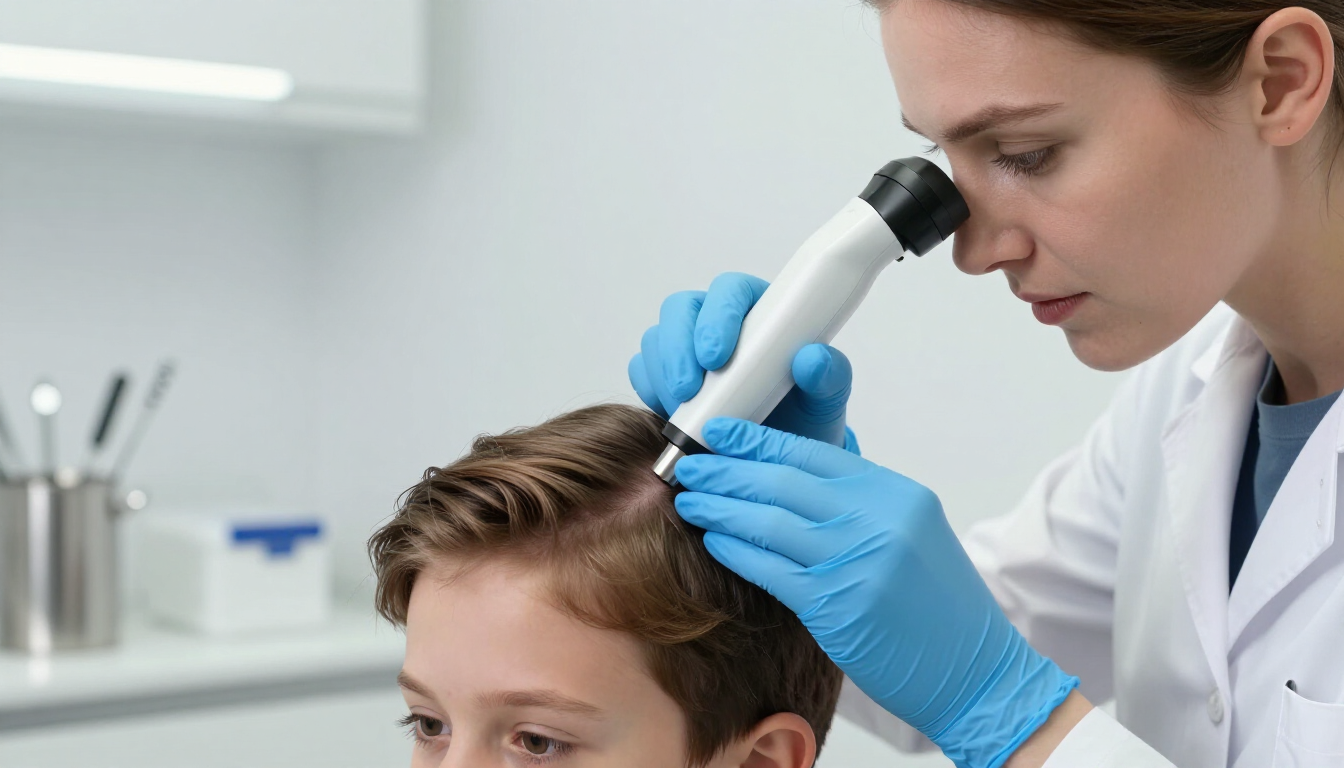


Hair Loss in Your 20s: 5 Ways to Stop Thinning Early

May 28, 2026

Share this article

Hair loss in your 20s and 30s is increasingly common and often normal, usually caused by genetics, stress, or hormonal shifts. While alarming, early intervention with medical-grade treatments and scalp health optimization can effectively slow thinning and stimulate regrowth, helping you maintain a full head of hair and confidence.

Is it normal to lose hair in your 20s and 30s?

Finding more hair than usual in your shower drain or on your hairbrush can be a jarring experience, especially when you are in the prime of your youth. However, it is important to realize that experiencing hair loss in your 20s and 30s is more common than many people realize. While we often associate balding with older age, many men and women begin to see changes in their hair density shortly after they enter adulthood.

At Funnah Medix , we see countless young adults who are concerned that they are "aging too fast." The truth is that while losing hair isn’t necessarily something you want to happen, it is a medically documented phenomenon for a significant percentage of the population. For some, it may be a temporary reaction to a major life event, while for others, it may be the first sign of a lifelong genetic pattern. Understanding that you are not alone is the first step toward finding a solution that works for you.

Hair consultation clinic

Why is my hair thinning so early?

The reasons behind early hair thinning are multifaceted. For many young people today, the modern lifestyle—characterized by high stress, processed diets, and environmental pollutants—plays a significant role. When your body is under stress, it prioritizes essential functions, often leaving "non-essential" tissues like hair follicles without the nutrients they need to thrive.

Furthermore, the 20s and 30s are decades of significant change. From finishing degrees to starting demanding careers and building families, the physical and emotional toll can manifest in your scalp health. It is vital to look at your hair not just as an aesthetic feature, but as a reflection of your overall internal health. By addressing the root causes, you can often stop the progression of thinning before it becomes permanent.

Common causes of early hair thinning

Identifying the specific cause of your hair loss is crucial for choosing the right treatment. Here are the most frequent culprits seen in young adults:

  • Androgenetic Alopecia: Also known as male or female pattern baldness, this is primarily driven by genetics and hormones (DHT).
  • Telogen Effluvium: A temporary condition triggered by physical or emotional stress, high fever, or sudden weight loss.
  • Nutritional Deficiencies: Lack of iron, vitamin D, B12, and protein can starve the hair follicles of growth essentials.
  • Hormonal Fluctuations: Conditions like PCOS in women or thyroid imbalances can drastically impact hair density.
  • Poor Scalp Hygiene: An unhealthy scalp environment with excess sebum or inflammation can hinder healthy hair growth.

Professional treatments for hair restoration

When lifestyle changes aren't enough, professional intervention is the most effective way to see real results. Science has come a long way, and modern medicine offers several evidence-based paths to restore your confidence . At Funnah Medix, we focus on a collaborative approach that combines medical expertise with personalized care.

One of the most popular options involves topical and oral medications that are FDA-approved to treat pattern hair loss. These treatments work by either blocking the hormones that cause follicles to shrink or by increasing blood flow to the scalp to prolong the growth phase of the hair. Additionally, many young patients find success with Platelet-Rich Plasma (PRP) therapy, which uses the growth factors in your own blood to rejuvenate dormant follicles.

We also emphasize the importance of comprehensive assessments. Every scalp is unique, and what works for one person might not be the best fit for another. Our goal is to create a tailored roadmap that protects your existing hair while encouraging new, healthy growth using the latest technology and medical insights.

How can I stop hair loss naturally?

While professional treatments are powerful, supporting your body naturally provides the foundation for long-term success. Think of your scalp as soil and your hair as a plant; if the soil is nutrient-dense and well-cared for, the plant will flourish.

  • Eat a Protein-Rich Diet: Hair is primarily made of a protein called keratin, so ensure you’re eating enough lean meat, beans, and eggs.
  • Manage Cortisol Levels: Incorporate meditation, exercise, or yoga to keep stress hormones from pushing hair into the shedding phase.
  • Scalp Massage: Regularly massaging your scalp can help stimulate blood flow, ensuring oxygen and nutrients reach the follicles.
  • Avoid Heat Damage: Reduce the use of high-heat styling tools and harsh chemical treatments that weaken the hair shaft.
  • Supplement Wisely: Consider taking Biotin, Zinc, and Vitamin D if you are not getting enough from your diet alone.
Scalp care products

When should I see a hair loss specialist?

Knowing when to transition from over-the-counter remedies to professional help can save you months of frustration and potential permanent hair loss. Generally, if you notice a visible widening of your part, a receding hairline, or patches of hair falling out suddenly, it is time to contact us for a consultation.

Early detection is the single most important factor in hair restoration. Follicles that have been dormant for too long eventually lose the ability to produce hair. By seeking a specialist in your 20s or 30s, you are essentially

Recent Posts

A beautiful close-up of healthy, restored hair showing natural growth.
June 1, 2026
Embarking on a hair restoration journey? Learn why scalp health and hair regrowth take time, what to expect at each stage, and how Funnah Medix helps you succeed.

Person regaining confidence after hair restoration.
June 1, 2026
Discover life-changing hair restoration treatments at Funnah Medix. Learn how to rebuild your confidence and achieve natural results with our expert guide.

A smiling person with healthy hair representing confidence and mental well-being.
June 1, 2026
Explore the deep connection between hair loss and mental health. Discover how Funnah Medix provides holistic restoration to help you reclaim your identity and confidence in 2026.
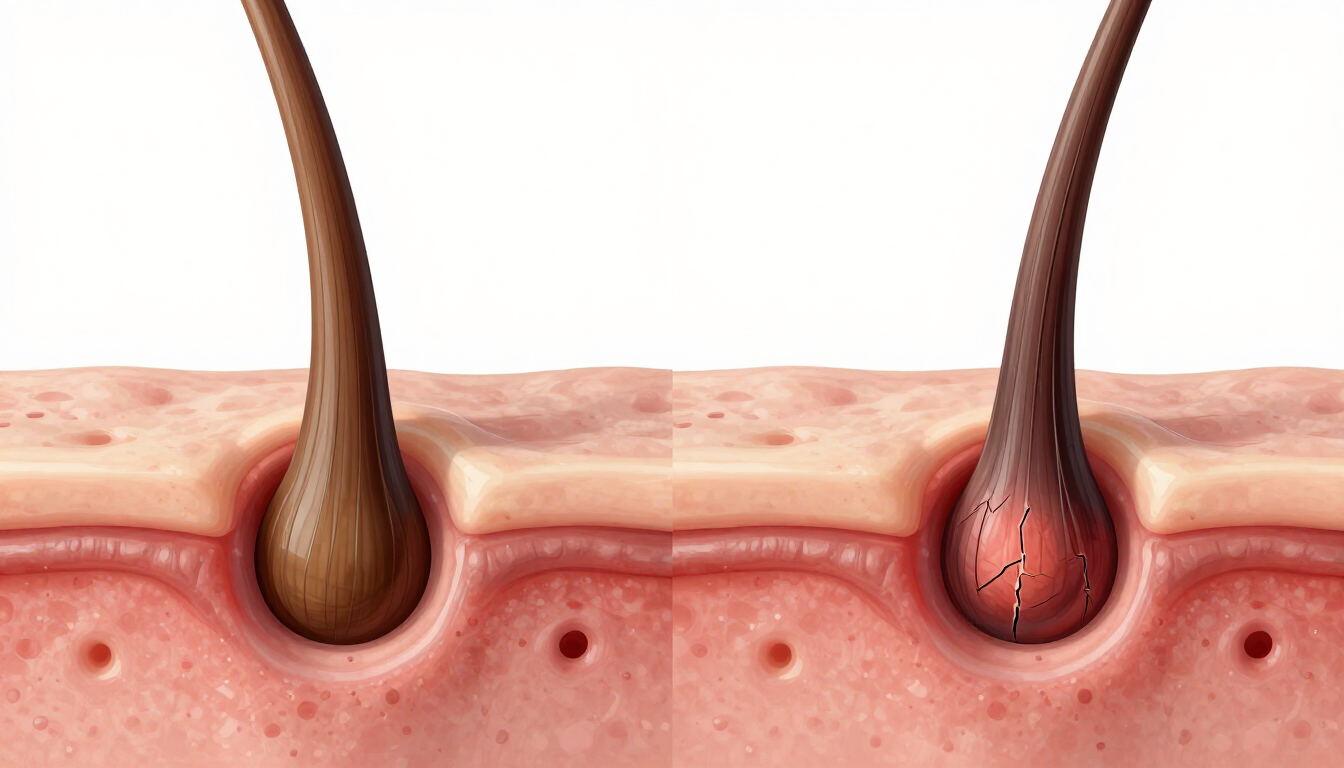
Scientific comparison of healthy versus damaged hair follicles due to lifestyle factors.
June 1, 2026
Learn how alcohol and smoking impact hair follicle health. Funnah Medix explains the science of hair loss and how to restore your scalp for natural growth.
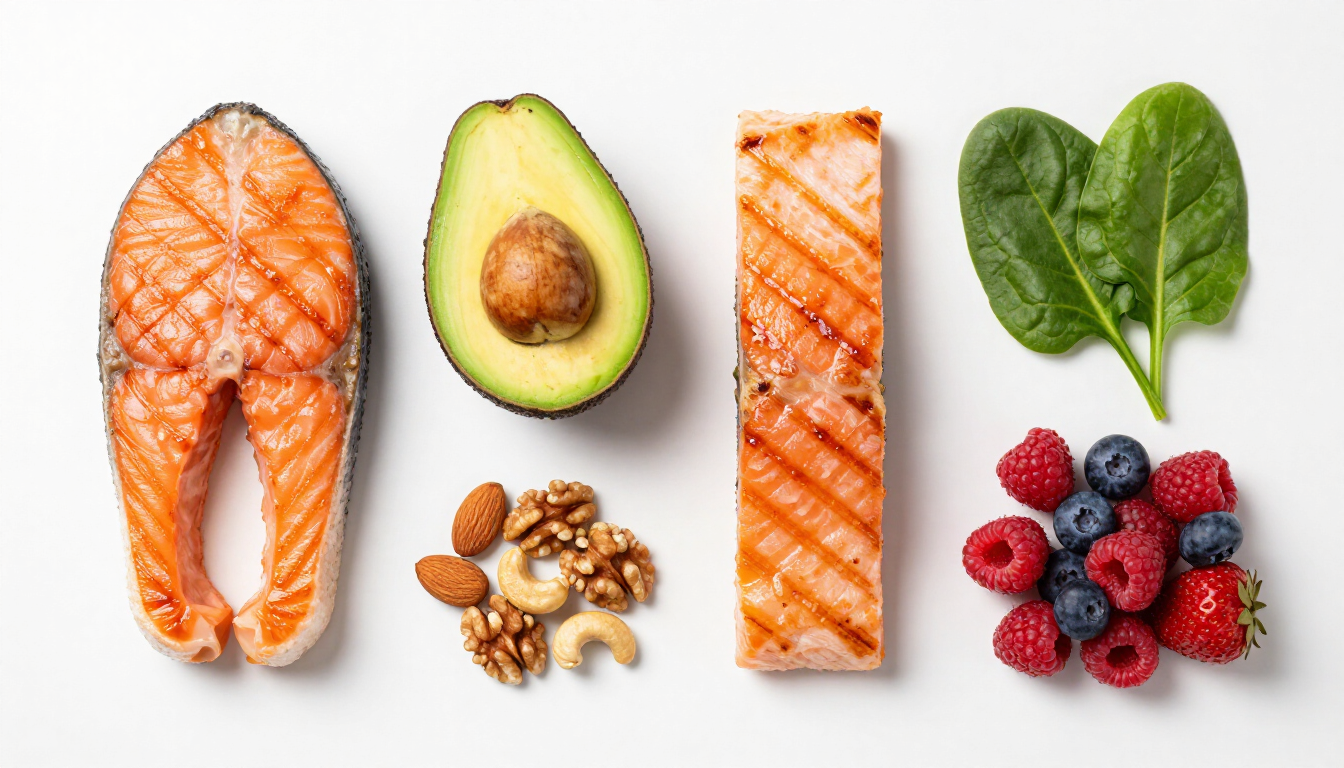
Assortment of healthy superfoods including salmon, nuts, and greens for hair growth
June 1, 2026
Discover the top 10 foods that promote scalp health and hair growth! Learn how a nutrient-rich diet can transform your hair's thickness and shine today at Funnah Medix.
Vibrant shiny hair with water droplets representing hydration and hair health.
June 1, 2026
Unlock the secret to thick, shiny locks! Learn how the link between hydration and hair health prevents breakage and promotes faster, natural growth in 2026.

A person with healthy hair exercising outdoors in the sunlight.
June 1, 2026
Explore the fascinating link between exercise and hair growth. Learn how physical activity boosts scalp health and discover expert tips to protect your hair while staying fit.

Healthy hair and restorative sleep concept
June 1, 2026
Discover how poor sleep and hair loss are connected. Learn why sleep deprivation triggers thinning and get expert tips from Funnah Medix for restoration.

Enthusiastic woman with healthy hair after iron treatment
June 1, 2026
Learn how iron deficiency and hair loss are connected and discover 5 ways to restore your hair's health with Funnah Medix's expert guidance.

A colorful selection of nutrient-dense foods for hair growth including eggs, greens, and nuts.
June 1, 2026
Discover the best nutrients for hair growth in our dietitian-approved guide. Learn which vitamins and minerals promote scalp health and thicker hair.
Show More