


Stop the Recede: Why Your Edges Are Thinning & How to Fix Them
Hair thinning at the edges is primarily caused by traction alopecia from tight hairstyles, hormonal imbalances, or nutritional deficiencies that weaken the hair follicle. To stop and reverse this thinning, you must reduce scalp tension, prioritize scalp hydration, and use evidence-based treatments like minoxidil or natural growth stimulants to encourage follicle recovery.
Why is my hair thinning at the edges?
It’s the mystery nobody asked for: you look in the mirror, and suddenly, those baby hairs you used to complain about have decided to go on a permanent vacation. If you’ve noticed your hairline performing a slow, rhythmic moonwalk away from your forehead, you aren’t alone. Thinning at the edges is one of the most common concerns we hear about at Funnah Medix, and while it can feel like a personal betrayal by your own scalp, there is almost always a logical scientific explanation.
For most people, thinning around the temples and forehead—often called "the edges"—is a sign that the delicate hair follicles in that area are under duress. These follicles are smaller and more sensitive than the ones at the back of your head. They are the first to feel the impact of stress, whether that stress is physical (hello, tight ponytails!) or internal (hormones, we’re looking at you). Understanding the 'why' is the first step to reclaiming your crown and ensuring those follicles don't sign a permanent retirement papers.
The Sneaky Culprits Behind Hairline Recession
While we’d love to blame it on the moon's alignment or bad luck, the causes of hair thinning at the edges are usually much more grounded in biology and habit. Here are the most frequent offenders:
- Traction Alopecia: This is the big one. If you love a sleek top-knot, heavy braids, or extensions that feel like they're pulling your brain, you’re likely experiencing traction alopecia. This is gradual hair loss caused by repetitive tension on the hair root.
- Hormonal Fluctuations: Changes in estrogen, progesterone, and androgens (especially DHT) can cause the hair growth cycle to shorten, leading to miniaturized follicles at the hairline.
- Nutritional Deficiencies: Your hair is a non-essential tissue in the eyes of your body. If you’re low on iron, Vitamin D, or protein, your body diverts resources away from your scalp to keep your heart and lungs happy.
- Age and Genetics: Sometimes, it’s just in the blueprints. Male and female pattern baldness often starts with a thinning of the edges and temples.
- Chemical Over-processing: Relaxers, bleach, and harsh dyes used too close to the scalp can literally fry the hair at the root, leading to breakage and thinning.
How can I stop hair from thinning at the edges?
If you want to stop the retreat and start the regrowth, you need a two-pronged strategy: stop the damage and start the nourishment. Think of your edges like a delicate garden. If you keep stepping on the sprouts (tension) and forget to water them (nutrition), nothing is going to grow.
At Funnah Medix, we advocate for the "Low-Tension Lifestyle." If your hairstyle gives you a free facelift, it is too tight. Give your hair a break! Switch to loose styles, use silk scrunchies, and avoid any style that feels like it’s pulling on your skin. This gives the follicles a chance to breathe and repair themselves.
But stopping the pull is only half the battle. You also need to actively stimulate the area. Scalp massages are not just for relaxation—they increase blood flow to the follicles, bringing in much-needed oxygen and nutrients. Pair this with a lightweight, stimulating oil like rosemary or peppermint, and you’re creating a five-star resort for your hair to return to. Check out our About us page to see how our team approaches these holistic scalp therapies.
Essential Habits for Edge Restoration
Consistency is the secret sauce. You wouldn't expect to go to the gym once and walk out with a six-pack, and your hair is no different. To see real change in thinning at the edges, you need to adopt these habits:
- Moisturize Daily: Use a water-based leave-in followed by a light oil to seal in moisture on your edges.
- Nighttime Protection: Wear a satin bonnet or use a silk pillowcase to prevent friction that snaps fragile hairs while you sleep.
- Gentle Cleansing: Avoid harsh sulfates that strip the scalp’s natural oils.
- Avoid Excessive Heat: Keep the flat iron away from those delicate baby hairs; they simply can't handle the heat.
- Scalp Stimulation: Spend 5 minutes every night massaging your temples in a circular motion.
Is my hairline thinning or just breaking?
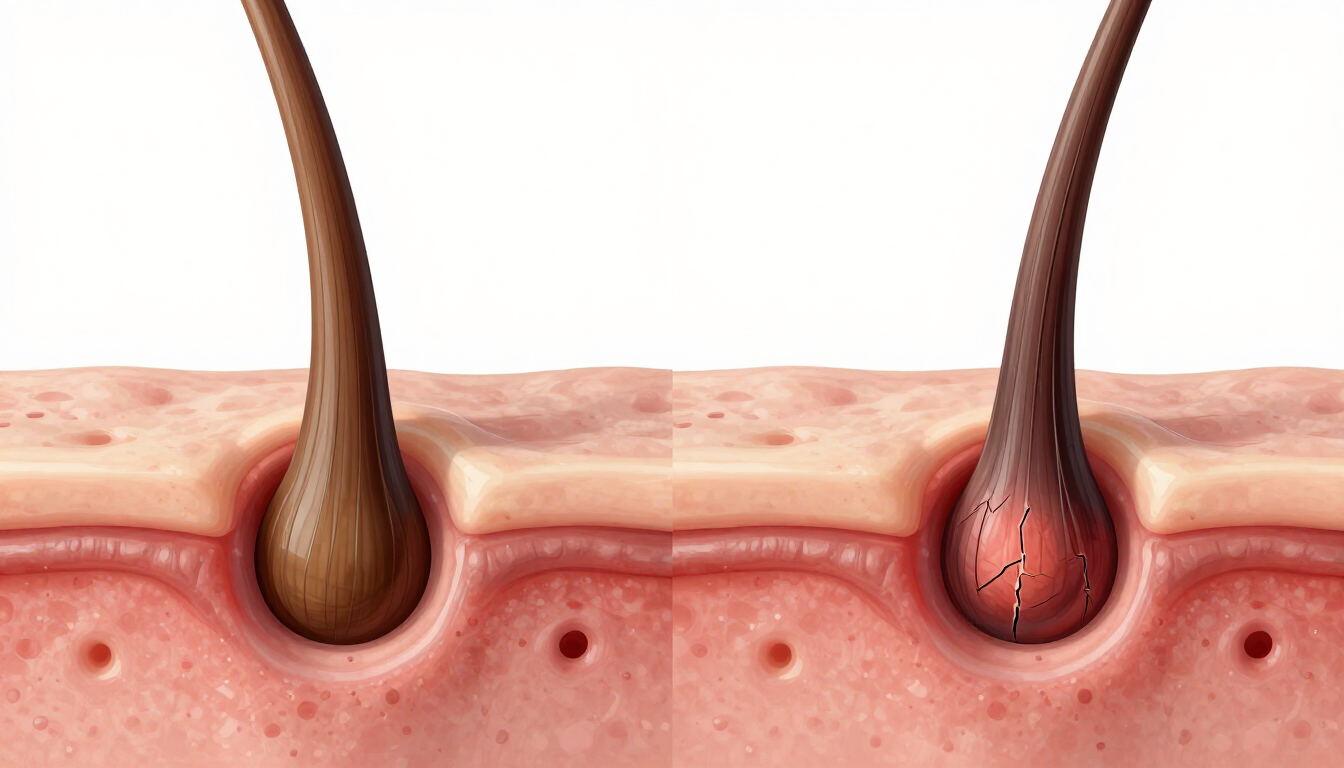
This is a great question! Breakage and thinning are two different beasts. Breakage happens along the hair shaft—meaning the root is still healthy, but the hair is snapping off. Thinning, or true hair loss, happens at the follicle level. If you see short, jagged hairs along your hairline, it’s likely breakage. If you see smooth skin where hair used to be, or the hair looks significantly finer (miniaturized), you are dealing with thinning. Both require attention, but thinning usually needs a more clinical approach to revive the dormant follicles.
When should you see a hair clinic professional?
Sometimes, DIY treatments and loose ponytails aren't enough. If you've been consistent with your care for three to six months and still see no progress, it’s time to call in the experts. At Funnah Medix, we specialize in identifying the root cause—be it internal or external.
Professional interventions like Platelet-Rich Plasma (PRP) therapy, low-level laser therapy (LLLT), or prescription-strength topicals can jumpstart follicles that have gone on an extended hiatus. We don't believe in one-size-fits-all solutions. Every scalp is a unique ecosystem, and we treat it as such. If you’re feeling overwhelmed by the sheer number of products on the market, let us help you cut through the noise. You can Contact Us to schedule a comprehensive assessment and get a plan tailored specifically to your edges.
Nourish to Flourish: Diet and Scalp Health
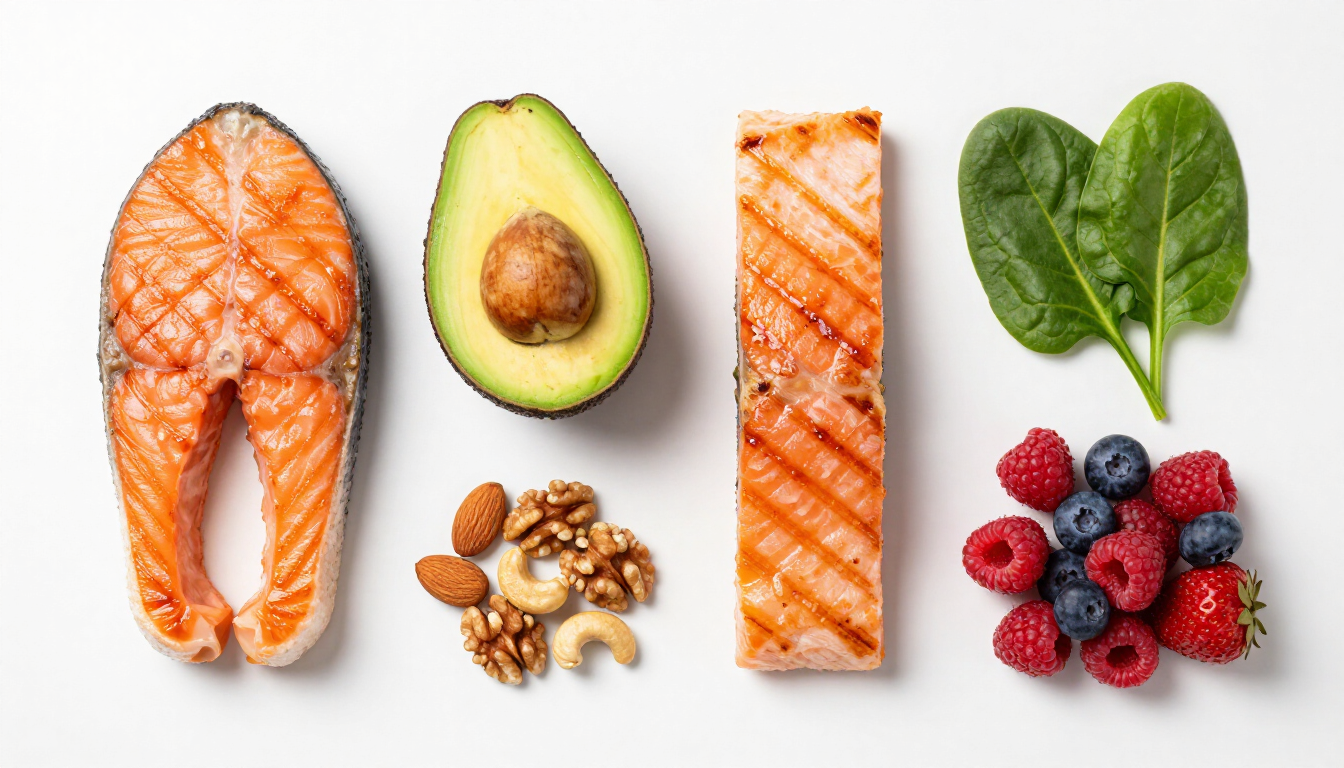
We are what we eat, and our hair is basically a ledger of our nutritional history. To fight thinning at the edges , your diet needs to be rich in the building blocks of keratin.
- Biotin (B7): Found in eggs and nuts, it’s the superstar of hair growth.
- Iron: Essential for carrying oxygen to your cells. Lean meats, spinach, and lentils are your best friends here.
- Zinc: Helps with tissue growth and repair. Think pumpkin seeds and chickpeas.
- Omega-3 Fatty Acids: Found in salmon and flaxseeds, these keep your scalp hydrated and reduce inflammation.
By nourishing your body from the inside out, you ensure that once you stop the physical damage of tight styling, your body has everything it needs to rebuild. It's about creating an environment where hair doesn't just grow—it thrives. If you're looking for more tips on holistic hair care, feel free to browse our Home page for our latest articles and success stories.
Why Your Edges Deserve Special Treatment
Your edges are like the "canary in the coal mine" for your hair health. Because the skin is thinner and the follicles are more exposed at the hairline, they are often the first to show signs of distress. Treating them with extra kindness isn't just about vanity; it's about preserving the integrity of your entire scalp. When you ignore thinning at the edges, you risk permanent scarring of the follicle, which makes regrowth impossible. The goal is to catch it while the follicles are still active and just need a little nudge to get back to work.
Closing the Gap: Your Edge Restoration Plan
To wrap it up, thinning at the edges doesn't have to be your permanent reality. By identifying the cause—whether it’s the tension of your favorite braids or a simple lack of iron—you can take control of your hairline’s future. Remember, your hair is an extension of your health, and your edges are the delicate boundary that deserves your most enthusiastic care.
Whether you choose to change your styling habits, upgrade your nutrition, or seek professional help at Funnah Medix, the most important step is the one you take today. Don't wait until the thinning becomes a permanent vacancy.
Key Takeaways for Thicker Edges
- Ditch the Tension: If it hurts or pulls, it’s destroying your follicles. Opt for loose, low-manipulation styles.
- Stimulate Blood Flow: Daily scalp massages are a free and effective way to wake up dormant roots.
- Prioritize Nutrition: Fuel your body with iron, zinc, and biotin to support the hair growth cycle.
- Seek Professional Advice: If DIY isn't working, a clinical assessment can identify underlying hormonal or genetic issues.
- Be Patient: Hair grows about half an inch a month. Consistency is key, so give your new routine at least 90 days to show results.
Ready to get your edges back on track? We’re here to help you every step of the way. From personalized scalp assessments to the latest in restoration technology, Funnah Medix is your partner in hair health. Let’s turn that moonwalk into a victory march! Visit our Home page for more information or Contact Us to book your consultation today. Your hair will thank you!