
Postpartum Hair Loss: When It Stops and How to Regrow

May 28, 2026

Share this article

Postpartum hair loss, or telogen effluvium, is a temporary shedding phase caused by dropping estrogen levels after childbirth. It typically begins 2 to 4 months after delivery and usually resolves within 6 to 12 months. Your hair will naturally return to its regular growth cycle as hormones stabilize.

What is postpartum hair loss?

Postpartum hair loss is a very common and entirely normal experience for many new mothers. While it can be alarming to see more hair than usual in your brush or the shower drain, it is important to understand that this is not true permanent hair loss. Instead, it is a temporary shift in your hair’s natural growth cycle. During pregnancy, high levels of estrogen keep your hair in the 'growth' (anagen) phase for longer than usual. This is why many pregnant women enjoy thick, lustrous locks.

Once you give birth and your hormone levels return to their pre-pregnancy state, the hair that was 'resting' or staying on your head longer than it should have suddenly enters the 'shedding' (telogen) phase all at once. At Funnah Medix, we see many women who feel overwhelmed by this change, but we are here to reassure you that your body is simply recalibrating. This process is a biological response to the monumental changes your body has undergone to bring new life into the world.

Why does hair fall out after pregnancy?

The primary culprit behind postpartum shedding is the dramatic fluctuation of hormones, specifically estrogen and progesterone. During the nine months of pregnancy, these hormones surge, which significantly delays the natural shedding process. Essentially, your hair is on a 'growth hiatus.' You aren't losing the normal 50 to 100 hairs a day that most people lose; instead, that hair is staying put.

After delivery, your estrogen levels plummet. This sudden drop signals to those 'overdue' hairs that it is time to move into the shedding phase. Because so many hairs enter this phase simultaneously, the volume of hair falling out can seem quite intense. It is often most noticeable around the hairline, often referred to as 'baby hairs' when they eventually start growing back. Our team at Funnah Medix understands how this can affect your confidence, which is why we focus on holistic scalp health to support your recovery during this transition.

Scalp Care Routine

How long does postpartum shedding last?

One of the most frequent questions we hear at our hair clinic is: "When will this stop?" For most women, the peak of postpartum shedding occurs around the four-month mark. By this time, the hormonal shift has fully taken hold, and the hair that was held in the growth phase is now shedding.

In the vast majority of cases, the shedding will begin to taper off by the time your baby celebrates their first birthday. Every woman’s body is different, and factors such as breastfeeding, stress, and overall nutrition can influence the timeline. If you find that your hair has not returned to its normal thickness or that the shedding is still heavy after 12 months, it may be time to consult with a professional. We are always enthusiastic about helping mothers find clarity and peace of mind during this journey.

5 Simple Tips for Managing Hair Thinning

While you cannot entirely stop the hormonal process of shedding, you can certainly manage the appearance of your hair and protect the strands you have. Here are five practical ways to handle thinning hair at home:

  • Switch to Volumizing Products : Use lightweight shampoos and conditioners that add body without weighing the hair down.
  • Avoid Excessive Heat : Limit the use of blow dryers, curling irons, and straighteners, as these can cause breakage on already fragile hair.
  • Be Gentle with Styling : Avoid tight ponytails or braids that pull on the scalp, which can lead to further hair loss called traction alopecia.
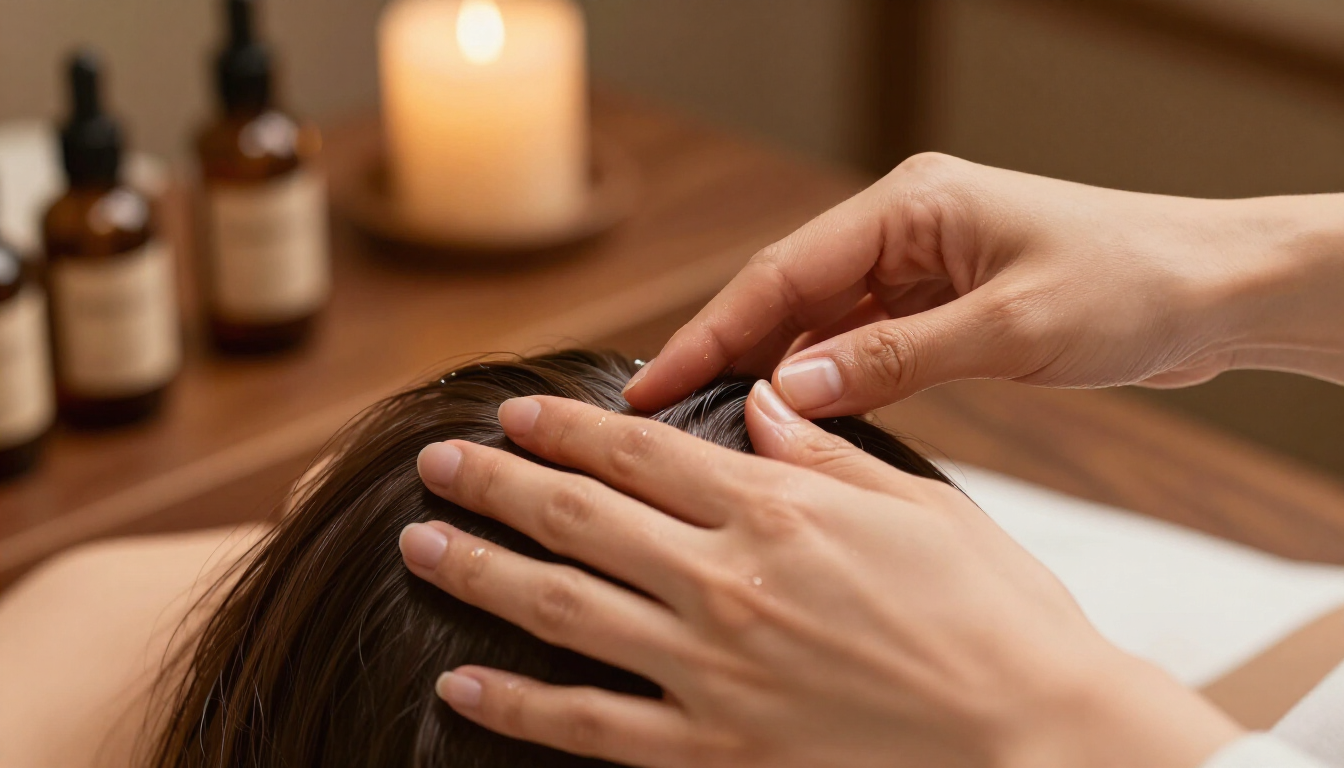
  • Massage Your Scalp : Regular, gentle scalp massages can stimulate blood flow to the follicles, promoting a healthy environment for regrowth.
  • Try a New Cut : Many new moms find that a shorter haircut or adding layers can make hair look much fuller and easier to manage.

Can nutritional deficiencies worsen hair loss?

Nutrition plays a massive role in the health of your hair follicles. After pregnancy, your body may be depleted of essential vitamins and minerals, especially if you are breastfeeding. A lack of iron, zinc, Vitamin D, or B vitamins (like Biotin) can prolong the shedding phase or prevent new hair from growing in as strong as it could be.

We highly recommend maintaining a nutrient-dense diet rich in leafy greens, lean proteins, and healthy fats. At Funnah Medix, we believe in an evidence-based approach to scalp health , which often starts with ensuring your internal environment is optimized for growth. If you are concerned about your nutrient levels, a simple blood test can reveal if supplements might be beneficial for your specific needs.

Professional Consultation

When should you seek professional help?

While postpartum hair loss is usually a waiting game, there are times when professional intervention is necessary. If you notice any of the following symptoms, it is a good idea to reach out to us for a comprehensive assessment:

  • Patchy Hair Loss : If hair is falling out in distinct circular patches rather than general thinning.
  • Scalp Irritation : Excessive itching, redness, or scaling on the scalp.
  • Prolonged Shedding : Shedding that continues at a high volume after your child is one year old.
  • Extreme Thinning : If you can see significant portions of your scalp that were not visible before.

Our clinicians specialize in identifying whether your hair loss is strictly hormonal or if there are underlying conditions, such as postpartum thyroiditis or iron-deficiency anemia, that need to be addressed. We are committed to helping you regain your confidence through personalized care plans. You can easily contact us to schedule a consultation and take the first step toward hair restoration.

Clinical Treatments for Scalp Health

If you are looking to accelerate the recovery of your hair, there are several clinical options available. These treatments focus on revitalizing the scalp environment and strengthening the hair follicles. Some of the therapies we offer and discuss include:

  • Low-Level Laser Therapy (LLLT) : A non-invasive treatment that uses light to stimulate cellular activity in the hair follicles.
  • Platelet-Rich Plasma (PRP) : Using your body’s own growth factors to trigger natural hair growth and improve hair density.
  • Medical-Grade Scalp Treatments : Personalized therapies designed to soothe inflammation and clear the path for new growth.

These treatments are designed to work alongside your body’s natural healing process. We are enthusiastic about the results we see in our patients and love being part of their transformation journey.

The Emotional Impact of Postpartum Hair Changes

It is important to acknowledge that hair loss is not just a physical issue; it is an emotional one. For many women, their hair is a significant part of their identity. After the massive life change of having a baby, experiencing thinning hair can feel like one more thing that is 'out of control.'

At Funnah Medix, we prioritize compassionate support. We want you to know that you are not alone, and feeling frustrated or saddened by hair loss is completely valid. Focusing on self-care and seeking professional advice can help you feel empowered. Remember, your body has done something incredible, and with a little time and the right care, your hair will reflect the vibrant, healthy person you are.

Conclusion: Your path to healthy hair

Postpartum hair loss is a temporary hurdle on your journey through motherhood. While the shedding can feel intense, it is a natural sign that your body is returning to its pre-pregnancy state. Most mothers will see their hair return to its normal volume within a year. By focusing on gentle hair care, proper nutrition, and scalp health, you can support your hair through this transition.

Key Takeaways:

  • Timeline : Shedding usually peaks at 4 months and ends by 12 months.
  • Hormones : The drop in estrogen after birth is the primary cause.
  • Care : Use volumizing products and avoid high heat to protect fragile strands.
  • Support : Consult a specialist if shedding persists beyond a year or appears patchy.

If you’re ready to learn more about how to protect your hair, visit our Home Page or Contact Us today for a personalized assessment. We can't wait to help you thrive!

Recent Posts

A beautiful close-up of healthy, restored hair showing natural growth.
June 1, 2026
Embarking on a hair restoration journey? Learn why scalp health and hair regrowth take time, what to expect at each stage, and how Funnah Medix helps you succeed.

Person regaining confidence after hair restoration.
June 1, 2026
Discover life-changing hair restoration treatments at Funnah Medix. Learn how to rebuild your confidence and achieve natural results with our expert guide.

A smiling person with healthy hair representing confidence and mental well-being.
June 1, 2026
Explore the deep connection between hair loss and mental health. Discover how Funnah Medix provides holistic restoration to help you reclaim your identity and confidence in 2026.
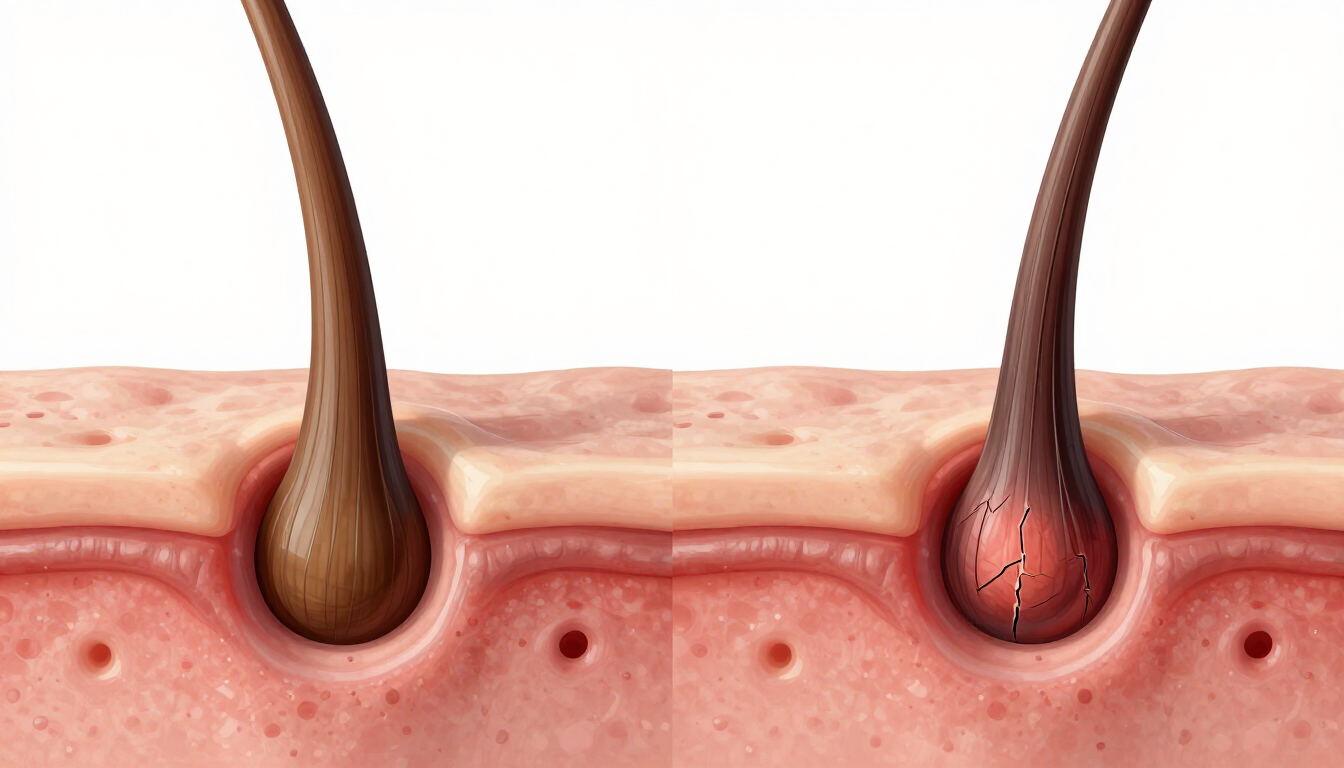
Scientific comparison of healthy versus damaged hair follicles due to lifestyle factors.
June 1, 2026
Learn how alcohol and smoking impact hair follicle health. Funnah Medix explains the science of hair loss and how to restore your scalp for natural growth.
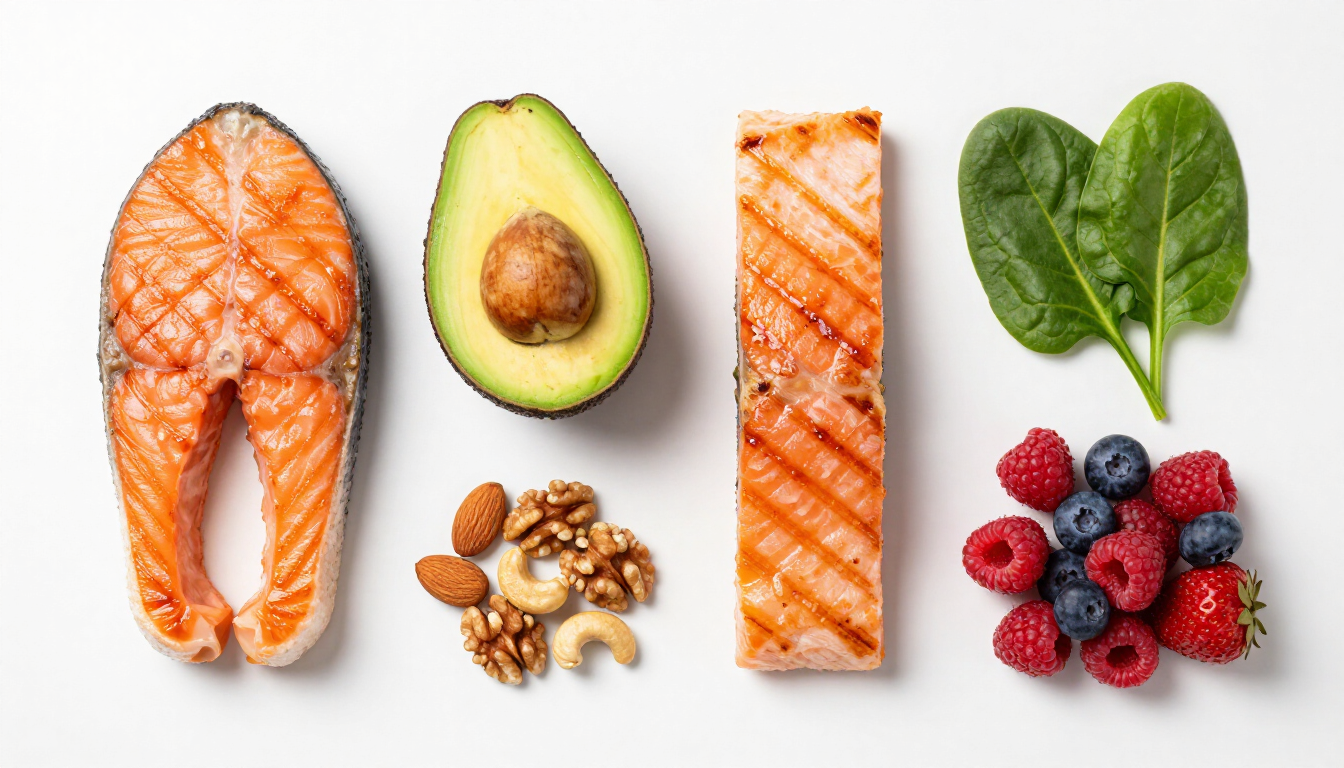
Assortment of healthy superfoods including salmon, nuts, and greens for hair growth
June 1, 2026
Discover the top 10 foods that promote scalp health and hair growth! Learn how a nutrient-rich diet can transform your hair's thickness and shine today at Funnah Medix.
Vibrant shiny hair with water droplets representing hydration and hair health.
June 1, 2026
Unlock the secret to thick, shiny locks! Learn how the link between hydration and hair health prevents breakage and promotes faster, natural growth in 2026.

A person with healthy hair exercising outdoors in the sunlight.
June 1, 2026
Explore the fascinating link between exercise and hair growth. Learn how physical activity boosts scalp health and discover expert tips to protect your hair while staying fit.

Healthy hair and restorative sleep concept
June 1, 2026
Discover how poor sleep and hair loss are connected. Learn why sleep deprivation triggers thinning and get expert tips from Funnah Medix for restoration.
Enthusiastic woman with healthy hair after iron treatment
June 1, 2026
Learn how iron deficiency and hair loss are connected and discover 5 ways to restore your hair's health with Funnah Medix's expert guidance.
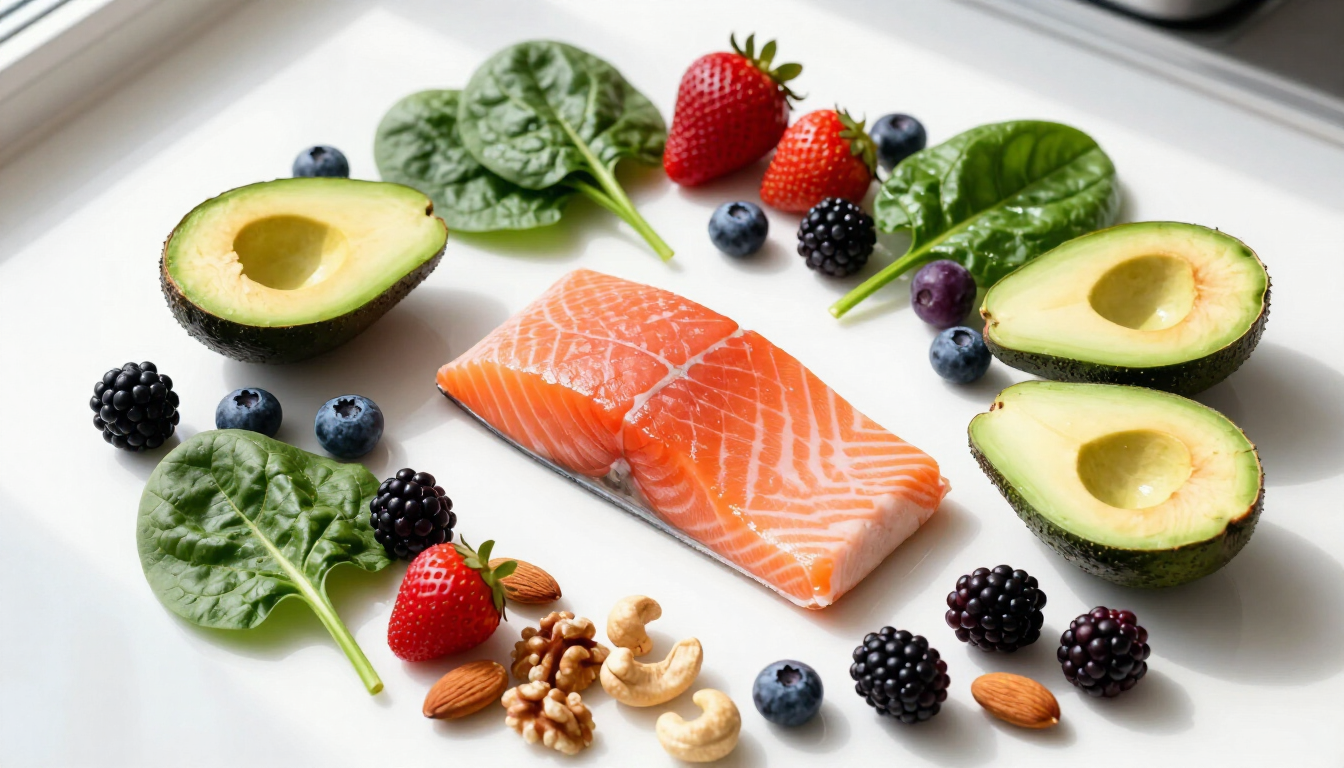
A colorful selection of nutrient-dense foods for hair growth including eggs, greens, and nuts.
June 1, 2026
Discover the best nutrients for hair growth in our dietitian-approved guide. Learn which vitamins and minerals promote scalp health and thicker hair.
Show More