Hormones and Hair Loss in Women: A 2026 Recovery Guide
Hormones and hair loss in women are intrinsically linked through the regulation of the hair growth cycle. Shifts in estrogen, progesterone, and androgens like DHT can shorten the growth phase (anagen) and prolong the resting phase (telogen), leading to thinning, shedding, and decreased follicle health across the scalp.
How do hormones affect the hair growth cycle?
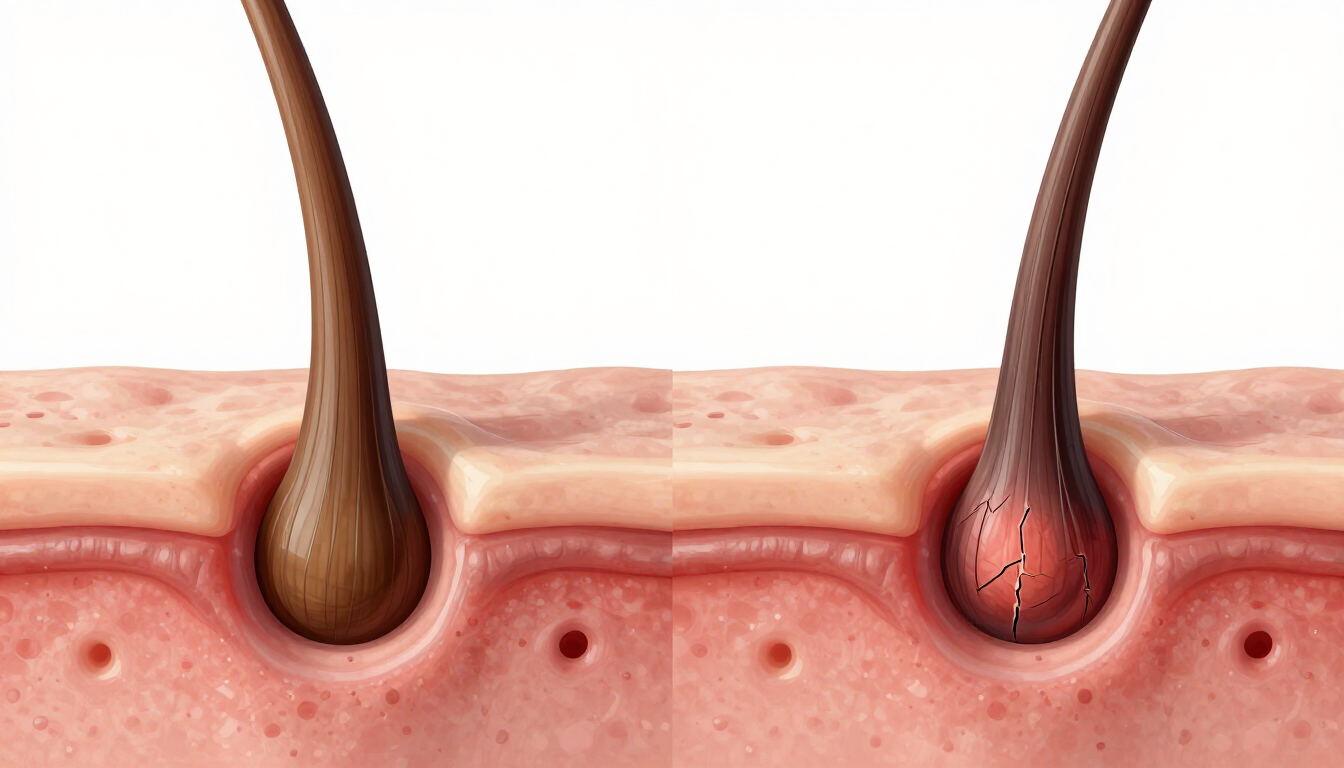
To understand how hormones impact your hair, we must first look at the biology of the hair follicle. Every strand of hair on your head operates on a specific cycle consisting of three main phases: anagen (growth), catagen (transition), and telogen (resting/shedding). Hormones act as the biological messengers that tell these follicles when to stay in the growth phase and when to enter retirement.
When your hormones are in balance, the majority of your hair—about 85% to 90%—is in the anagen phase at any given time. However, when hormonal fluctuations occur, this delicate balance is disrupted. Estrogen is essentially the "hair-friendly" hormone. It helps keep hair in the anagen phase for longer, contributing to the thickness and speed of growth that many women experience. Conversely, androgens—often thought of as male hormones but present in all women—can have the opposite effect. When androgens become dominant or when follicles become overly sensitive to them, the growth phase shortens, and the hair produced becomes finer and shorter until the follicle eventually stops producing hair altogether.
At Funnah Medix , we see firsthand how these biological shifts affect confidence. Understanding the link between your internal chemistry and your hair health is the first step toward effective restoration. Whether it’s a temporary shift or a chronic condition, the relationship between hormones and hair loss in women is a primary focus of modern scalp health science.
Does PCOS cause hair loss in women?
Polycystic Ovary Syndrome (PCOS) is one of the most common hormonal disorders affecting women of reproductive age, and hair thinning is a hallmark symptom. In the case of PCOS, the body produces higher-than-normal levels of androgens, specifically testosterone and its derivative, dihydrotestosterone (DHT). While these hormones can cause unwanted hair growth on the face and body (hirsutism), they paradoxically cause the hair on the scalp to thin.
This type of hair loss is often referred to as female pattern hair loss or androgenetic alopecia. In women with PCOS, the high levels of DHT bind to receptors in the scalp's hair follicles. This binding process causes the follicles to shrink, a process known as miniaturization. As the follicles shrink, the hair they produce becomes thinner and more fragile with each cycle. Eventually, the follicles may become so small that they only produce vellus hair—the fine, peach-fuzz hair found on other parts of the body—or stop producing hair entirely.
Managing PCOS-related hair loss requires a multi-faceted approach. Because the root cause is hormonal imbalance and insulin resistance, treatments often involve:
- Medications to lower androgen levels.
- Scalp treatments to block DHT locally.
- Dietary changes to manage insulin and inflammation.
- Professional scalp therapies at a dedicated Hair Clinic .
- Topical solutions to stimulate the anagen phase.
Why does hair thin during menopause?
As women approach and enter menopause, the production of estrogen and progesterone begins to decline sharply. Because these hormones are the primary defenders of the hair follicle, their absence leaves the hair vulnerable to the remaining androgens in the system. Even if your androgen levels haven't increased, the ratio of estrogen to testosterone has shifted, giving the androgens more "room" to exert their thinning effects on the scalp.
During menopause, many women notice that their hair not only thins but also changes in texture. It may become drier, more brittle, and lose its luster. This is because estrogen also plays a role in sebum production; lower levels lead to a drier scalp and less natural lubrication for the hair shaft. This makes the hair more prone to breakage, which compounds the appearance of thinning caused by follicle miniaturization.
Understanding the Impact of Postpartum Hormonal Shifts
Perhaps the most dramatic example of hormones and hair loss in women occurs after childbirth. During pregnancy, high levels of estrogen keep hair in the growth phase, preventing the usual daily shedding. This is why many pregnant women enjoy the thickest, most lustrous hair of their lives. However, once the baby is born, estrogen levels plummet back to their baseline almost overnight.
This sudden drop triggers a massive shift in the hair cycle. Follicles that were "stuck" in the growth phase suddenly move into the telogen (resting) phase all at once. Three to four months later, this results in significant shedding known as telogen effluvium. While this can be distressing, it is usually temporary. As the body rebalances its hormone levels, the hair cycle typically returns to normal within six to twelve months. Providing your scalp with the right nutrients and gentle care during this period is essential for a full recovery.
How does thyroid health impact hair density?
Your thyroid gland is the master controller of your metabolism, and this includes the metabolism of your hair follicles. Both hyperthyroidism (overactive thyroid) and hypothyroidism (underactive thyroid) can lead to significant hair loss if left untreated. When the thyroid gland is not functioning correctly, it disrupts the production of T3 and T4 hormones, which are essential for the regeneration of hair at the root.
Thyroid-related hair loss is typically diffuse, meaning it occurs across the entire scalp rather than in a specific pattern. You might notice:
- A general thinning of the hair volume.
- Hair that feels like straw or breaks easily.
- The outer third of the eyebrows thinning or disappearing.
- A change in the natural curl or wave pattern of your hair.
- Increased shedding during washing or brushing.
The good news is that thyroid-related hair loss is often reversible once the underlying hormonal issue is medically managed. At Funnah Medix , we emphasize the importance of collaborative care, ensuring that your systemic health is addressed alongside your topical scalp treatments to achieve the best possible results.
The Role of Stress and Cortisol in Hair Health
While often categorized separately, stress is deeply hormonal. When you experience chronic stress, your adrenal glands pump out cortisol, the body’s primary stress hormone. High levels of cortisol have been shown to degrade skin elements like hyaluronan and proteoglycans—substances that are vital for healthy hair follicle function.
Furthermore, high cortisol can push hair follicles into a premature resting phase, leading to telogen effluvium similar to postpartum shedding. Because modern life is increasingly stressful, many women are dealing with "silent" hormonal hair loss driven by the adrenal system. Managing stress through lifestyle changes, alongside professional scalp therapies, is a cornerstone of protecting your hair's longevity.
Hormonal Hair Loss Solutions at Funnah Medix
Identifying the link between hormones and hair loss in women is only half the battle; the next step is taking action. Because every woman’s hormonal profile is unique, a one-size-fits-all approach rarely works. Recovery requires a personalized plan that looks at the scalp environment, nutritional status, and hormonal triggers.
Our approach focuses on nurturing the scalp and protecting the hair you have while stimulating new growth. By utilizing evidence-based treatments and a compassionate, holistic view of hair health, we help you navigate the complexities of hormonal shifts with confidence. Whether you are dealing with the effects of PCOS, menopause, or thyroid imbalances, there are paths to restoration.
Key Takeaways for Managing Hormonal Hair Loss
- Consult a Specialist: Always seek a professional assessment to determine if your hair loss is hormonal, nutritional, or genetic.
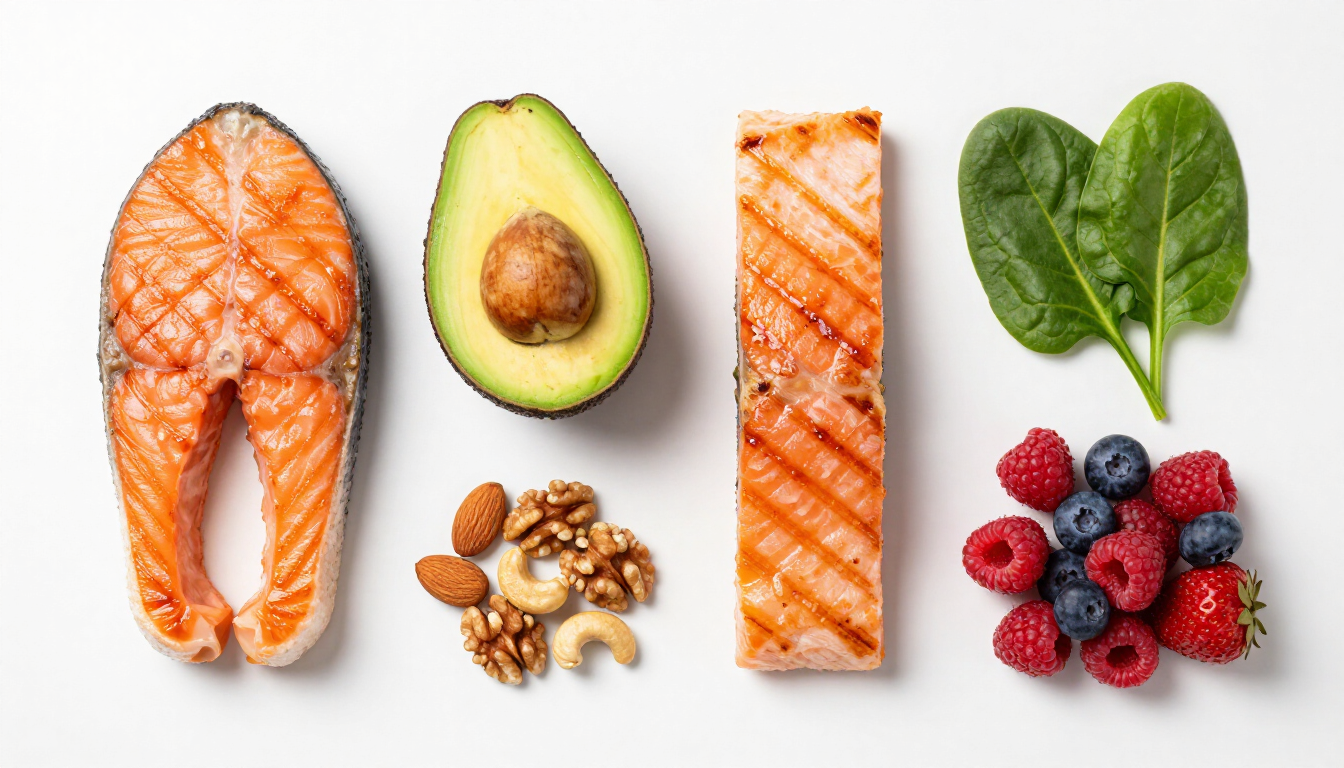
- Balance the Basics: Ensure your diet is rich in iron, zinc, and protein to support the hair building blocks.
- Address the Root Cause: Treating the scalp without addressing the underlying hormone imbalance (like PCOS or thyroid issues) is only a temporary fix.
- Be Patient: Hair grows slowly. Most hormonal treatments take 3-6 months to show visible results in density and texture.
- Reduce Inflammation: Scalp inflammation can worsen hormonal thinning; use gentle, medical-grade products.
Understanding the profound connection between hormones and hair loss in women allows you to stop guessing and start healing. Your hair is a reflection of your internal health, and shifts in density are often the body's way of signaling that something needs attention.
If you're ready to take the next step toward reclaiming your hair health and confidence, our team is here to support you every step of the way. Explore our personalized treatment options or get in touch today to start your journey. For more information, please visit our Contact Us page to schedule a consultation with our experienced professionals. Let's work together to restore your hair's natural vitality and strength.